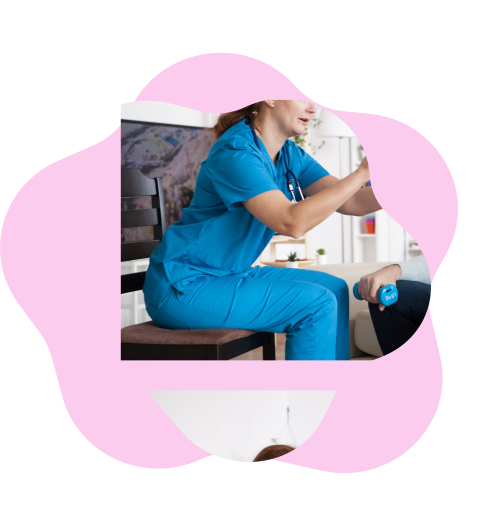
A stroke can affect movement, balance, speech, and daily activities. Recovery often takes time and the right support. Neurological physiotherapy for stroke patients focuses on restoring movement, improving strength, and helping individuals regain independence through structured and guided rehabilitation.
By: MedGo2U Editorial Team
Medical Review Details
Medically Reviewed by: Ken Hong
Reviewed on:
Date Published:
Date Modified:
What Is Neurological Physiotherapy?
Neurological physiotherapy helps people with conditions affecting the brain and nervous system. For stroke patients, it focuses on retraining the body and brain to work together again.
Research shows that targeted neurological physiotherapy improves mobility and functional outcomes after stroke (Langhorne et al., 2011).
How Stroke Affects Movement
After a stroke, patients may experience:
- Weakness on one side of the body
- Difficulty walking or balancing
- Reduced coordination
- Muscle stiffness or tightness
- Fatigue during movement
Early rehabilitation plays a key role in improving recovery outcomes (NICE, 2022).
Role of Neurological Physiotherapy in Stroke Recovery
A neurological physiotherapist assesses movement patterns, muscle control, and balance. Treatment plans are personalized and may include:
- Guided movement and walking practice
- Strength and balance exercises
- Stretching to reduce stiffness
- Training for daily activities such as sitting and standing
Studies show that repetitive, task-based training improves brain recovery after stroke (Pollock et al., 2014).
Home and Virtual Neurological Physiotherapy
Neurological physiotherapy can be delivered through home visits or virtual sessions. Home-based rehabilitation helps patients practice movements in familiar surroundings, while virtual sessions offer guided exercises through video calls.
Research indicates that home-based stroke physiotherapy improves consistency and engagement in rehabilitation (Chen et al., 2020).
Benefits of Neurological Physiotherapy for Stroke Patients
This form of physiotherapy helps with:
- Improved walking and balance
- Better muscle control
- Reduced stiffness
- Increased confidence in movement
- Greater independence in daily life
Ongoing physiotherapy supports long-term recovery and quality of life (Reddy et al., 2024).
Conclusion
Neurological physiotherapy for stroke patients plays a vital role in recovery and independence. With consistent, professional support, patients can regain movement and improve daily function. Always consult a qualified neurological physiotherapist for personalized home or virtual rehabilitation plans.
If you're looking for a qualified physiotherapist in London, book an appointment with Parth V., a verified HCPC-registered physiotherapist offering home and video consultations across the city.
Frequently Asked Questions
When should neurological physiotherapy start after a stroke?
Physiotherapy should begin as early as medically safe, often within days after a stroke.
Can stroke patients recover fully with physiotherapy?
Recovery varies, but physiotherapy greatly improves movement and independence.
Is neurological physiotherapy suitable for older adults?
Yes. Treatment plans are adapted to age, comfort, and ability.
Are virtual stroke physiotherapy sessions effective?
Yes. Guided virtual sessions support ongoing rehabilitation from home.
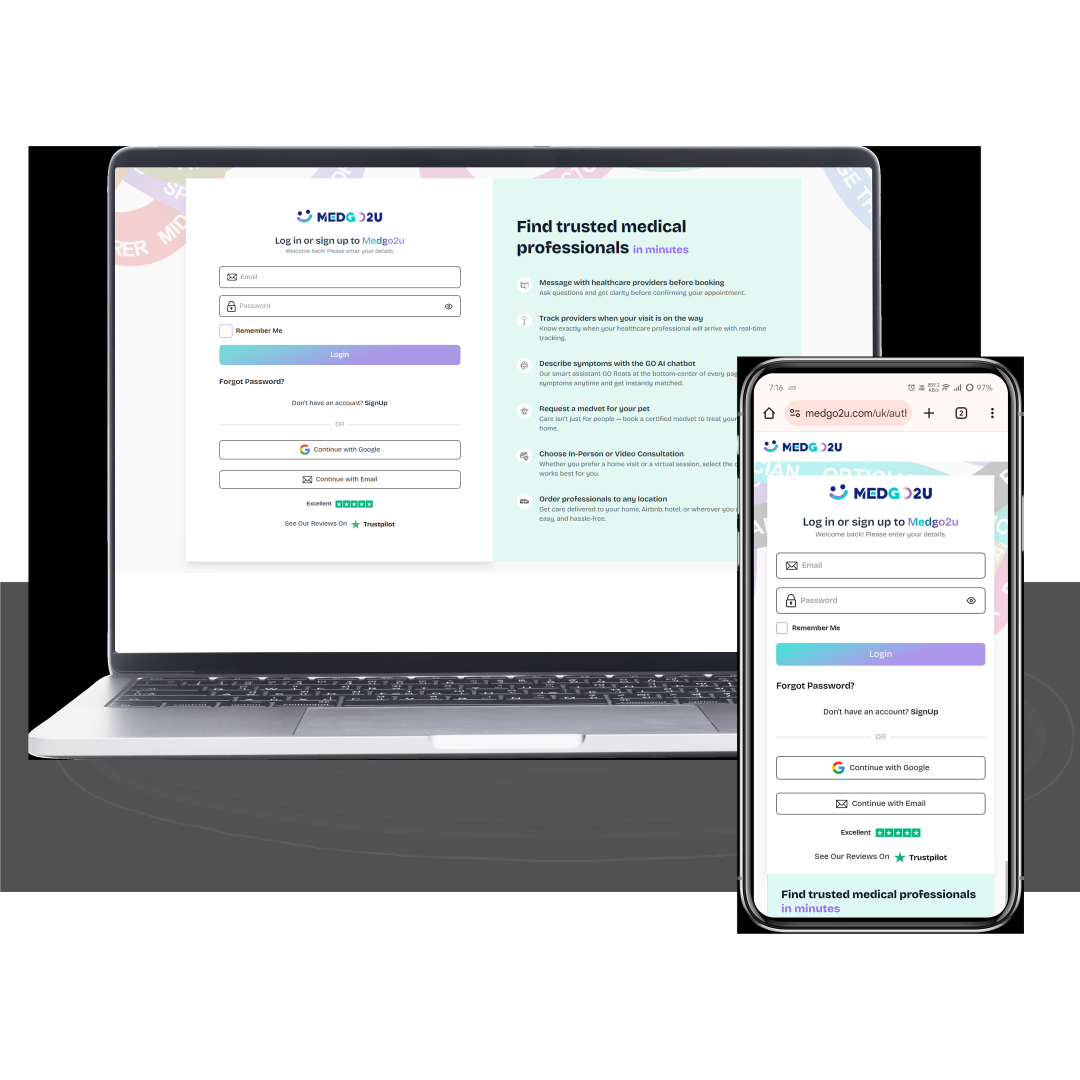
Join the movement for fair and flexible healthcare
WORK WITH MEDGO2U
Are you a qualified HCPC-registered physiotherapist looking for flexible work across London or the UK? Join MedGo2U and start providing specialist home visits or online consultations at your convenience.
References
- Langhorne P et al. (2011). Early rehabilitation after a stroke. The Lancet.
- Pollock A et al. (2014). Physical rehabilitation approaches for stroke recovery. Cochrane Database of Systematic Reviews.
- NICE (2022). Stroke rehabilitation guidelines. National Institute for Health and Care Excellence.
- Chen et al. (2020). Home-based stroke physiotherapy improves consistency and engagement in rehabilitation.
- Reddy et al. (2024). Ongoing physiotherapy supports long-term recovery and quality of life.
About the Reviewer
Ken Hong is a Band 6 Physiotherapist working within the Manchester NHS across both ward and community settings. He holds a BSc in Sport and Exercise Science and an MSc in Physiotherapy (Pre-registration) from the University of Birmingham. Ken has strong clinical experience in assessing, diagnosing and treating a wide range of musculoskeletal and post-operative conditions. His background in exercise science enhances his ability to design effective, evidence-based rehabilitation programmes that improve mobility, strength and overall recovery.
Medical Disclaimer
This content is for educational purposes and not a substitute for professional medical advice.
Last medically reviewed on: Dec 21, 2025
Follow us to hear more



Ionela Marinau
Dec 21, 2025 • 10 minutes read