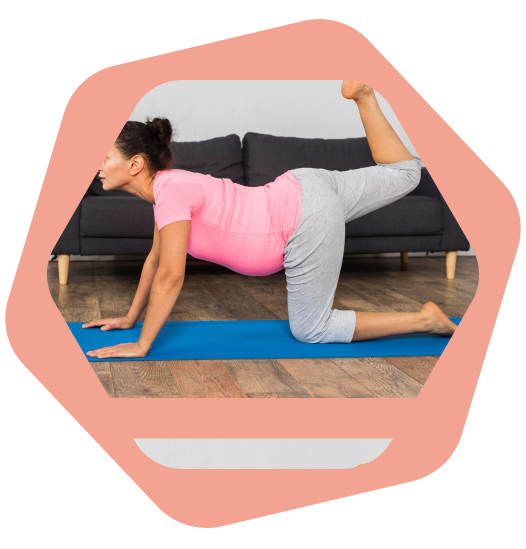
Childbirth brings many physical changes to a woman's body, especially to the pelvic floor muscles. These muscles play an important role in bladder control, core strength, and overall comfort. Pelvic floor physiotherapy after childbirth helps new mothers recover safely, reduce discomfort, and regain confidence in daily movement.
By: MedGo2U Editorial Team
Medical Review Details
Medically Reviewed by: Ken Hong
Reviewed on: Dec 20, 2025
Date Published: Dec 20, 2025
Date Modified: Dec 20, 2025
What Is Pelvic Floor Physiotherapy?
Pelvic floor physiotherapy focuses on strengthening and restoring the muscles that support the bladder, uterus, and bowel. After childbirth, these muscles often weaken or stretch, leading to discomfort or control issues.
Research shows that pelvic floor physiotherapy improves muscle strength and reduces postnatal symptoms such as leakage and pelvic discomfort (Dumoulin et al., 2018).
Why Pelvic Floor Care Matters After Childbirth
Pregnancy and delivery place pressure on the pelvic floor muscles. Vaginal delivery, assisted birth, or prolonged labor can increase muscle strain.
Common postnatal concerns include:
- Urinary leakage - Loss of bladder control during daily activities
- Pelvic heaviness - Feeling of pressure or discomfort in the pelvic area
- Lower back pain - Discomfort in the lower back region
- Core weakness - Reduced strength in abdominal and core muscles
- Pain during daily activities - Discomfort when moving or performing routine tasks
Early physiotherapy support helps prevent long-term pelvic floor problems (NICE, 2021).
What Happens During Pelvic Floor Physiotherapy
A pelvic floor physiotherapist starts with a gentle assessment to understand muscle strength and movement control. Treatment may include:
- Guided pelvic floor exercises - Targeted movements to strengthen and restore muscle function
- Breathing and core coordination - Techniques to improve muscle control and stability
- Posture and movement guidance - Advice on safe movement patterns and body alignment
- Advice on daily activities and lifting - Practical tips for managing daily tasks safely
Studies confirm that supervised pelvic floor training leads to better recovery than unsupervised exercises alone (Bo et al., 2015).
Home and Virtual Pelvic Floor Physiotherapy
Pelvic floor physiotherapy can be provided through home visits or virtual sessions. Online consultations allow new mothers to receive professional guidance in a private and comfortable environment.
Virtual pelvic floor physiotherapy improves access to care, especially during early postpartum recovery (Ferreira et al., 2022).
Benefits of Pelvic Floor Physiotherapy After Childbirth
This type of physiotherapy helps with:
- Improved bladder control - Better management of urinary function
- Stronger core muscles - Enhanced abdominal and pelvic strength
- Reduced pelvic discomfort - Less pain and pressure in the pelvic area
- Better posture and movement - Improved body alignment and mobility
- Increased confidence after childbirth - Greater comfort and assurance in daily activities
Consistent physiotherapy supports long-term pelvic health and wellbeing (Reddy et al., 2024).
Conclusion
Pelvic floor physiotherapy after childbirth plays a key role in postnatal recovery. With professional guidance, new mothers can regain strength, comfort, and confidence safely. Always consult a qualified physiotherapist for personalized home or virtual care that suits your recovery needs.
If you're looking for a physiotherapist in London, book an appointment with Parth V., a verified HCPC-registered physiotherapist offering home and video consultations across the city.
Frequently Asked Questions
When should I start pelvic floor physiotherapy after childbirth?
Many women can start gentle exercises within weeks after delivery, following professional advice.
Is pelvic floor physiotherapy painful?
No. Treatment is gentle and adapted to the comfort and recovery stage.
Can pelvic floor physiotherapy help after a C-section?
Yes. Pelvic floor muscles are affected during pregnancy regardless of delivery method.
Are virtual pelvic floor sessions effective?
Yes. Guided online sessions provide safe and effective postnatal support.
Join the movement for fair and flexible healthcare
WORK WITH MEDGO2U
Are you a qualified Physiotherapist looking for flexible work across London or the UK? Join MedGo2U and start providing home visits or online consultations at your convenience.
References
- Dumoulin C et al. (2018). Pelvic floor muscle training after childbirth. Cochrane Database of Systematic Reviews.
- Bo K et al. (2015). Evidence-based pelvic floor rehabilitation. British Journal of Sports Medicine.
- NICE (2021). Postnatal care guidelines. National Institute for Health and Care Excellence.
- Ferreira et al. (2022). Virtual pelvic floor physiotherapy improves access to care during early postpartum recovery.
- Reddy RS et al. (2024). Early physiotherapy interventions and recovery outcomes in adults. Clinical Rehabilitation.
About the Reviewer
Ken Hong is a Band 6 Physiotherapist working within the Manchester NHS across both ward and community settings. He holds a BSc in Sport and Exercise Science and an MSc in Physiotherapy (Pre-registration) from the University of Birmingham. Ken has strong clinical experience in assessing, diagnosing and treating a wide range of musculoskeletal and post-operative conditions. His background in exercise science enhances his ability to design effective, evidence-based rehabilitation programmes that improve mobility, strength and overall recovery.
Medical Disclaimer
This content is for educational purposes and not a substitute for professional medical advice.
Last medically reviewed on: Dec 20, 2025
Follow us to hear more



Ionela Marinau
Dec 20, 2025 • 7 minutes read