
Virtual physiotherapy sessions have changed the way people access rehabilitation and movement care. With online consultations, patients can now receive expert guidance without visiting a clinic. These sessions are designed to be simple, safe and effective for many physical conditions.
By: MedGo2U Editorial Team
Medical Review Details
Medically Reviewed by: Ken Hong
Reviewed on: Dec 19, 2025
Date Published: Dec 19, 2025
Date Modified: Dec 19, 2025
What Are Virtual Physiotherapy Sessions?
Virtual physiotherapy sessions allow patients to consult a licensed physiotherapist through video calls. The physiotherapist assesses movement, pain levels and physical limitations while guiding exercises in real time. This approach helps patients continue treatment from home while receiving professional care.
Research shows that remote physiotherapy can be effective for pain management, mobility improvement, and post-injury recovery (Cottrell et al., 2017).
How to Prepare for a Virtual Physiotherapy Session
Preparation helps make the session smooth and productive. Patients should:
- Choose a quiet space with enough room to move
- Wear comfortable clothing that allows for movement
- Use a phone, tablet, or laptop with a camera
- Ensure a stable internet connection for clear video communication
Having previous medical reports ready can also help the physiotherapist understand the condition better.
What Happens During the Session
A typical virtual physiotherapy session includes:
- Discussion of symptoms and medical history to understand your condition
- Observation of posture and movement through video assessment
- Guided exercises demonstrated by the physiotherapist with real-time feedback
- Corrections to ensure safe and correct movement throughout the session
The physiotherapist may adjust exercises based on comfort and progress. Studies indicate that guided home exercises improve adherence and outcomes (Lawford et al., 2018).
Conditions Treated Through Virtual Physiotherapy
Virtual sessions can support people with:
- Back and neck pain - Common musculoskeletal issues
- Joint stiffness - Improving range of motion and flexibility
- Sports injuries - Rehabilitation and return to activity
- Post-surgery recovery - Guided rehabilitation programs
- Balance and mobility issues - Improving stability and movement
Early intervention through guided exercises helps reduce pain and improve daily function. (Reddy et al., 2024).
Benefits of Virtual Physiotherapy
Virtual physiotherapy offers:
- Convenience without travel - Access care from your home
- Flexible scheduling - Book sessions that fit your routine
- Continuity of care - Maintain regular treatment sessions
- Access to qualified professionals - Connect with HCPC-registered physiotherapists
For many patients, home-based sessions increase comfort and confidence during recovery.
Conclusion
Virtual physiotherapy sessions provide a practical and effective way to receive professional care at home. By understanding what to expect, patients can feel confident and prepared for their sessions. For the best results, always consult a qualified physiotherapist who can guide treatment safely through virtual or home-based care.
If you're looking for a physiotherapist in London, book an appointment with Parth V., a verified HCPC-registered physiotherapist offering home and video consultations across the city.
Frequently Asked Questions
Are virtual physiotherapy sessions effective?
Yes. Research shows that virtual physiotherapy can improve pain, mobility, and function when guided by a licensed professional.
Do I need special equipment?
No. Most sessions require only basic household space and a device with a camera.
Is virtual physiotherapy safe?
A qualified physiotherapist ensures exercises are appropriate and safe for your condition.
How many sessions are needed?
The number of sessions depends on the condition and individual progress.
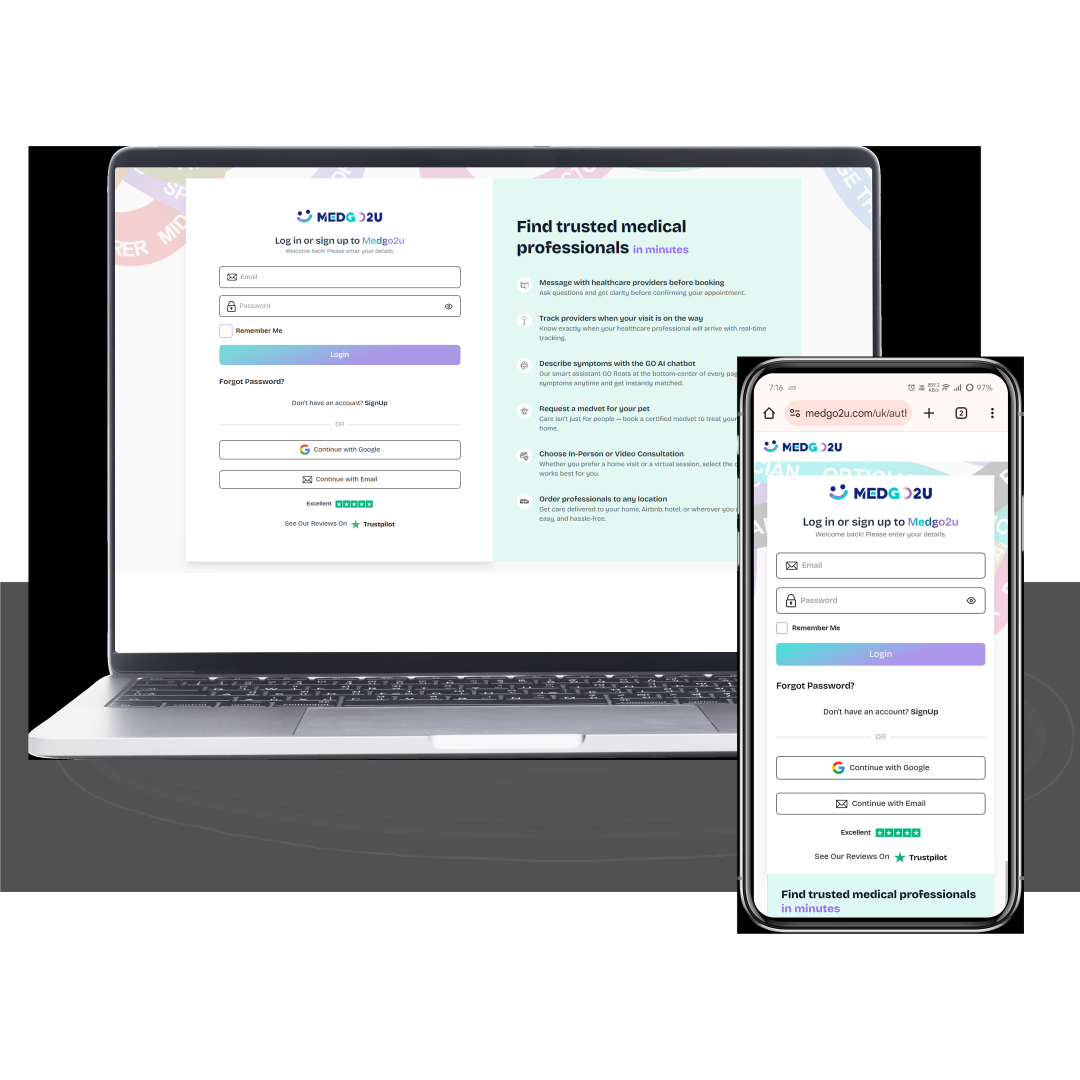
Join the movement for fair and flexible healthcare
WORK WITH MEDGO2U
Are you a qualified Physiotherapist looking for flexible work across London or the UK? Join MedGo2U and start providing home visits or online consultations at your convenience.
References
- Cottrell MA et al. (2017). Real-time telerehabilitation for musculoskeletal conditions. Journal of Physiotherapy.
- Lawford BJ et al. (2018). Patient engagement in home-based physiotherapy programs. Musculoskeletal Science and Practice.
- Reddy RS et al. (2024). Early physiotherapy interventions and recovery outcomes in adults. Clinical Rehabilitation.
About the Reviewer
Ken Hong is a Band 6 Physiotherapist working within the Manchester NHS across both ward and community settings. He holds a BSc in Sport and Exercise Science and an MSc in Physiotherapy (Pre-registration) from the University of Birmingham. Ken has strong clinical experience in assessing, diagnosing and treating a wide range of musculoskeletal and post-operative conditions. His background in exercise science enhances his ability to design effective, evidence-based rehabilitation programmes that improve mobility, strength and overall recovery.
Medical Disclaimer
This content is for educational purposes and not a substitute for professional medical advice.
Last medically reviewed on: Dec 19, 2025
Follow us to hear more



Ionela Marinau
Dec 19, 2025 • 6 minutes read