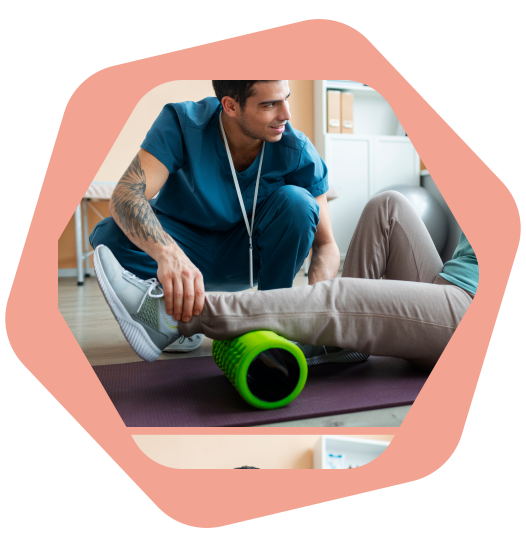
Sports physiotherapy is often associated with elite and professional athletes, but its benefits extend far beyond the professional arena. Amateur athletes, such as recreational runners, gym enthusiasts, weekend footballers, cyclists, and fitness lovers, place significant physical demands on their bodies without always having access to professional recovery and training support.
Sports physiotherapy helps amateur athletes prevent injuries, recover safely, improve performance, and maintain long-term physical health. This blog explores the key benefits of sports physiotherapy for amateur athletes and explains why it is an essential part of an active lifestyle.
By: MedGo2U Editorial Team
Medical Review Details
Medically Reviewed by: Ken Hong
Reviewed on: Dec 31, 2025
Date Published: Dec 31, 2025
Date Modified: Dec 31, 2025
Understanding Sports Physiotherapy
Sports physiotherapy is a specialized branch of physiotherapy focused on the prevention, diagnosis, treatment, and rehabilitation of sports-related injuries. It combines movement analysis, strength training, manual therapy, flexibility work, and education to help individuals move efficiently and safely.
For amateur athletes, sports physiotherapy bridges the gap between exercise and injury prevention, ensuring the body adapts correctly to physical stress.
Why Amateur Athletes Need Sports Physiotherapy
Unlike professional athletes, amateur athletes often:
- Train without professional supervision
- Skip proper warm-ups and recovery
- Continue playing through pain
- Balance sports with work and daily life
These factors increase the risk of overuse injuries, muscle imbalances, and chronic pain. Sports physiotherapy provides structured guidance to reduce these risks while improving overall physical performance.
Key Benefits of Sports Physiotherapy for Amateur Athletes
1. Injury Prevention
One of the most important benefits of sports physiotherapy is injury prevention. Physiotherapists assess posture, movement patterns, muscle strength, and flexibility to identify weaknesses before injuries occur.
Common injuries prevented include:
- Muscle strains
- Ligament sprains
- Tendinitis
- Stress fractures
- Joint overload injuries
By correcting movement faults early, amateur athletes can train with confidence and consistency.
2. Faster and Safer Recovery from Injuries
When injuries do occur, sports physiotherapy ensures proper healing and safe return to activity. A structured rehabilitation plan prevents re-injury and restores full function.
Physiotherapy supports recovery through:
- Pain management techniques
- Controlled strengthening exercises
- Mobility restoration
- Gradual return-to-sport programs
This is especially important for amateur athletes who often rush back into activity too soon.
3. Improved Athletic Performance
Sports physiotherapy is not just about treating injuries, it also enhances performance. By improving muscle balance, flexibility, coordination, and joint stability, athletes move more efficiently.
Performance benefits include:
- Increased strength and power
- Better balance and coordination
- Enhanced endurance
- Improved movement efficiency
This allows amateur athletes to perform better while reducing unnecessary strain on the body.
4. Reduced Risk of Chronic Pain
Ignoring minor injuries can lead to chronic pain conditions such as lower back pain, knee pain, or shoulder discomfort. Sports physiotherapy addresses these issues early, preventing long-term problems.
Physiotherapists treat:
- Repetitive strain injuries
- Postural issues
- Joint stiffness
- Muscle tightness
Early intervention helps athletes remain active without ongoing pain.
5. Personalized Training and Rehabilitation Plans
Every athlete is different. Sports physiotherapy provides customized programs based on:
- Sport type
- Fitness level
- Injury history
- Lifestyle demands
This personalized approach ensures safe progress without unnecessary overload, making it ideal for amateur athletes with busy schedules.
6. Improved Flexibility and Mobility
Restricted mobility increases injury risk and limits performance. Sports physiotherapy focuses on restoring full range of motion through stretching, joint mobilization, and movement training.
Improved mobility leads to:
- Better technique
- Reduced muscle stiffness
- Enhanced agility
- Smoother movement patterns
7. Education and Self-Management Skills
Sports physiotherapy empowers amateur athletes with knowledge about their bodies. Physiotherapists educate patients on:
- Proper warm-up and cool-down routines
- Correct exercise techniques
- Injury warning signs
- Load management strategies
This education helps athletes take control of their own physical health.
8. Support for Return to Sport After Injury
Returning to sport after injury can be intimidating. Sports physiotherapists guide athletes through a step-by-step return-to-play plan, ensuring readiness both physically and mentally.
This includes:
- Strength benchmarks
- Functional testing
- Sport-specific drills
- Confidence-building strategies
Common Sports Injuries Treated in Amateur Athletes
Sports physiotherapy commonly treats:
- Runner's knee
- Tennis elbow
- Ankle sprains
- Shoulder impingement
- Lower back pain
- Muscle tears
- Achilles tendinitis
Early treatment leads to better outcomes and fewer setbacks.
How MedGo2U Supports Amateur Athletes
MedGo2U connects amateur athletes with licensed sports physiotherapists through home visits and virtual consultations. This allows athletes to receive professional care without disrupting their daily routines.
MedGo2U offers:
- Personalized treatment plans
- Convenient at-home physiotherapy
- Virtual sports physiotherapy sessions
- Evidence-based rehabilitation programs
Conclusion
The benefits of sports physiotherapy for amateur athletes extend far beyond injury treatment. From injury prevention and faster recovery to improved performance and long-term physical health, sports physiotherapy is an essential resource for anyone leading an active lifestyle.
Amateur athletes who invest in physiotherapy gain the tools needed to train smarter, move better, and stay active for years to come.
If you're looking for a qualified physiotherapist in London, book an appointment with Parth V., a verified HCPC-registered physiotherapist offering home and video consultations across the city.
Frequently Asked Questions
Is sports physiotherapy only for injured athletes?
No. Sports physiotherapy also focuses on injury prevention, performance improvement, and movement optimization.
Can beginners benefit from sports physiotherapy?
Yes. Beginners often benefit the most by learning proper movement and training techniques early.
How often should amateur athletes see a sports physiotherapist?
This depends on activity level, goals, and injury history. Many athletes benefit from periodic assessments.
Does sports physiotherapy improve performance?
Yes. Improved strength, flexibility, and movement efficiency directly enhance performance.
Join the movement for fair and flexible healthcare
WORK WITH MEDGO2U
Are you a qualified HCPC-registered physiotherapist looking for flexible work across London or the UK? Join MedGo2U and start providing specialist home visits or online consultations at your convenience.
References
- American Physical Therapy Association – Sports Physical Therapy
- British Journal of Sports Medicine, Injury Prevention in Amateur Athletes
- National Institute for Health and Care Excellence (NICE)
About the Reviewer
Ken Hong is a Band 6 Physiotherapist working within the Manchester NHS across both ward and community settings. He holds a BSc in Sport and Exercise Science and an MSc in Physiotherapy (Pre-registration) from the University of Birmingham. Ken has strong clinical experience in assessing, diagnosing and treating a wide range of musculoskeletal and post-operative conditions. His background in exercise science enhances his ability to design effective, evidence-based rehabilitation programmes that improve mobility, strength and overall recovery.
Medical Disclaimer
This blog is for informational purposes only and does not replace professional medical advice, diagnosis, or treatment. Always consult a qualified healthcare provider or physiotherapist before starting any exercise or rehabilitation program.
Last medically reviewed on: Dec 31, 2025
Follow us to hear more



Ionela Marinau
Dec 31, 2025 • 10 minutes read


