
You wake up with a stiff neck or a nagging back pain that just will not go away. You know you need help, but the thought of sitting in traffic, finding a parking spot, and waiting in a cold clinic office feels like too much work. What if you could get expert help without leaving your living room? Modern technology now allows you to book a physio online and start your recovery journey immediately. This guide explores how virtual and home-visit physiotherapy can transform your health and why millions of people are making the switch to digital healthcare.
By: MedGo2U Editorial Team
Medically Reviewed by: Ken Hong
Reviewed on:
Date Published:
Date Modified:
The Evolution of Modern Physiotherapy
Physiotherapy used to mean physical contact in a clinical setting. For decades, patients traveled to hospitals or private practices to receive hands-on care. While manual therapy remains valuable, the core of successful rehabilitation involves education, exercise, and lifestyle changes. Recent global shifts have accelerated the adoption of telehealth. Today, "booking a physio online" is a standard practice for many people looking for efficient care.
Research shows that virtual physiotherapy sessions provide results similar to traditional in-person visits for many common conditions. Patients who use video consultations often report high levels of satisfaction because the care fits into their busy schedules (Ascenti, 2024). You no longer need to wait weeks for an appointment. You can connect with a specialist who understands your specific injury within hours.
How Does Online Physiotherapy Actually Work?
If you have never used a virtual health service, you might wonder how a therapist can help you without touching you. The process is straightforward and highly effective. When you book a physio online, you usually follow these steps:
- The Initial Consultation: You meet your therapist via a secure video platform. They ask detailed questions about your pain, how it started, and what activities make it worse.
- Movement Assessment: Your therapist asks you to perform specific movements on camera. They observe how you move, where you feel tension, and your overall range of motion.
- Diagnosis: Based on your history and the movement test, the therapist explains what is happening in your body.
- The Treatment Plan: You receive a customized plan. This includes specific exercises, advice on posture, and guidance on how to manage your pain at home.
- Digital Exercise Library: Most platforms provide videos that show you exactly how to do your exercises correctly between sessions.
Expert therapists use visual cues and verbal guidance to replace physical touch. Studies indicate that this "eyes-on" approach is just as reliable as "hands-on" assessments for diagnosing musculoskeletal issues (NIH, 2025).
Why the Evidence Supports Virtual Care
Critics once argued that physiotherapy required a physical touch to be effective. However, the data proves otherwise. A 2025 study published in the Journal of Orthopaedic and Sports Physical Therapy found that self-managed rehabilitation applications and video consultations significantly reduced pain intensity in patients with chronic pain (Z.H. et al., 2025).
The reason for this success is simple: engagement. When you see a physio at home or online, you take more ownership of your recovery. You learn how to move your own body rather than relying on a therapist to "fix" you. This builds long-term strength and prevents future injuries. Digital tools also allow therapists to track your progress in real-time. They can see if you are completing your exercises and adjust the plan instantly.
The Massive Benefits of Online Booking
When you book a physio online through a platform like MedGo2U, you gain access to several advantages that traditional clinics cannot match.
1. Unmatched Convenience
You save hours of time. There is no commute, no waiting room, and no need to arrange childcare. You can schedule a session during your lunch break or after the kids go to bed. This convenience makes it much more likely that you will stick to your treatment plan.
2. Faster Access to Specialists
In a traditional clinic, you might have to see whoever is available that day. When you book online, you can choose a specialist based on their expertise. If you have a running injury, you can find a sports specialist. If you are recovering from surgery, you can find an orthopaedic expert.
3. Assessment of Your Real Environment
One of the biggest hidden benefits of virtual care is that the therapist sees your home environment. They can see the chair you sit in for eight hours a day or the stairs that cause you pain. This allows them to give you specific advice on ergonomics and home safety that a clinic-based therapist might miss (Complete Physio, 2025).
4. Reduced Cost
Online sessions are often more affordable because the therapist does not have to pay for expensive clinic space. Additionally, you save money on petrol, parking, and public transport.
5. Safety and Privacy
For those with weakened immune systems or those who simply value their privacy, online care is the perfect solution. You do not have to sit in a room with other sick people, and your treatment happens in the security of your own home.
Common Conditions Treated Online
Many people assume that only minor issues can be managed through a screen. In reality, expert physiotherapists manage a wide range of complex conditions via telehealth:
- Lower Back Pain: Most back pain responds better to movement and exercise than to rest or massage. A virtual therapist can guide you through stretches that relieve pressure on your spine.
- Neck and Shoulder Tension: "Tech neck" is a common modern problem. Online physios can fix your workstation setup and provide strengthening exercises for your upper back.
- Sports Injuries: From ankle sprains to runner's knee, therapists can provide progressive loading programs that get you back to your sport safely.
- Post-Operative Recovery: After a hip or knee replacement, consistency is key. Home-based video sessions ensure you stay on track with your rehabilitation (VaThala, 2024).
- Chronic Pain Management: Conditions like osteoarthritis or fibromyalgia require long-term management strategies. Online physios provide the education and emotional support needed for these journeys.
The Importance of HCPC Registration
When you book a physio online, you must ensure the professional is qualified. In the UK, every legitimate physiotherapist must be registered with the Health and Care Professions Council (HCPC). This registration ensures that the therapist meets strict standards of training, conduct, and ethics. An HCPC-registered professional must maintain their skills through continuous learning. They also carry professional indemnity insurance. Using a platform that verifies these credentials, like MedGo2U, gives you peace of mind. You know you are receiving care from a protected and regulated professional (HCPC, 2025).
Virtual vs. Home Visit: Which is Best for You?
While video calls are fantastic, some situations benefit from a home visit. MedGo2U offers both. A home visit is ideal if:
- You have severe mobility issues and cannot move easily in front of a camera.
- You require a physical assessment for a very complex neurological condition.
- You prefer the motivation of having a therapist physically present in the room.
Preparing for Your First Online Session
To get the most out of your appointment, you should prepare your space. You do not need a gym, but a few small steps will help the therapist see you clearly.
- Find Good Lighting: Make sure the light is in front of you, not behind you. This helps the therapist see your movements.
- Clear Some Space: Ensure you have enough room to lie down or take a few steps back so the therapist can see your whole body.
- Check Your Connection: Use a stable Wi-Fi connection and ensure your device is charged.
- Wear Appropriate Clothing: Wear loose, comfortable clothes like shorts or a t-shirt. The therapist needs to see the joints and muscles they are assessing.
- Have Your History Ready: Write down when your pain started and any previous treatments you have tried.
The Future of Physiotherapy
The world of digital health is expanding rapidly. We are seeing the rise of wearable sensors that track your movement and send the data directly to your therapist. Artificial Intelligence (AI) is also helping therapists predict recovery times and personalize exercise programs even further. By booking a physio online today, you are joining a modern movement that prioritizes patient results and convenience over outdated clinical habits.
Debunking the Myths
Some people still hesitate because of common misconceptions:
- Myth 1: "They can't see what's wrong." Fact: Research shows that a thorough visual assessment and patient history are often more accurate than physical tests alone.
- Myth 2: "I need a massage to get better." Fact: While massage feels good, it rarely fixes the underlying cause of pain. Education and exercise provide lasting relief.
- Myth 3: "Online physio is only for young people." Fact: Many elderly patients thrive with online care. It removes the stress of travel and allows them to work on balance in their own kitchens (Cornerstone Physiotherapy, 2025).
Finding the Right Platform
Not all online booking sites are equal. You should look for a service that prioritizes security and quality. A good platform will: Use GDPR-compliant video software. Clearly show the professional's HCPC number. Allow you to read reviews from other patients. Offer easy rescheduling and transparent pricing. MedGo2U was built to bridge the gap between high-quality medical care and the modern need for flexibility. Whether you need a 30-minute video check-in or a full hour of home-based rehabilitation, the power is in your hands.
Conclusion
Booking a physio online is no longer a "second-best" option. It is a smart, efficient, and evidence-based way to take control of your physical health. You save time, reduce stress, and get expert care tailored to your specific home environment. Whether you are dealing with a recent injury or a long-term ache, the right therapist is just a few clicks away. We encourage you to seek a qualified professional for a home visit or a virtual session to start your journey toward a pain-free life today.
If you're looking for a qualified physiotherapist in London, book an appointment with Parth V., a verified HCPC-registered physiotherapist offering home and video consultations across the city.
Frequently Asked Questions
Is online physiotherapy as effective as in-person visits?
Yes. For the majority of musculoskeletal conditions, research shows that virtual care provides similar outcomes to clinic-based treatment. The focus is on exercise, education, and self-management, which are the most important parts of recovery.
What equipment do I need for a virtual session?
You only need a smartphone, tablet, or computer with a camera and a stable internet connection. Your therapist will show you how to use common household items, like towels or water bottles, if you do not have gym equipment.
Will my insurance cover an online physio appointment?
Most major insurance providers now recognize and cover telehealth services. You should check with your specific provider before booking to confirm their reimbursement policy.
Can a physio diagnose me online?
Yes. By taking a detailed history of your symptoms and watching you perform specific movement tests, a qualified physiotherapist can accurately diagnose most muscle and joint issues.
How long does a typical online session last?
Initial assessments usually last 45 to 60 minutes. Follow-up sessions are often shorter, typically lasting 20 to 30 minutes, focusing on your progress and adjusting your exercises.
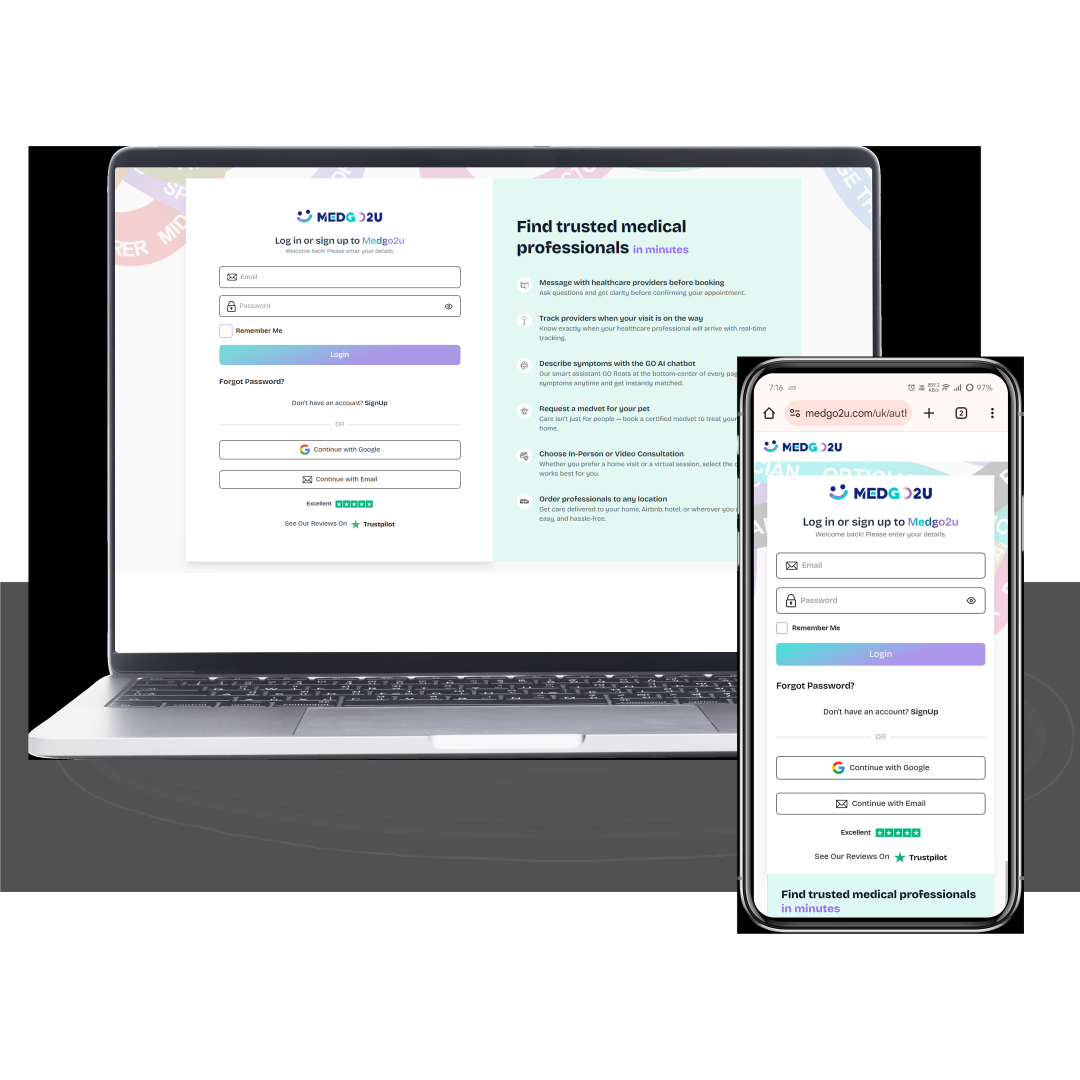
Join the movement for fair and flexible healthcare
WORK WITH MEDGO2U
Are you a qualified HCPC-registered physiotherapist looking for flexible work across London or the UK? Join MedGo2U and start providing specialist home visits or online consultations at your convenience.
References
- [1] Ascenti. (2024). Investigating the effectiveness of virtual physiotherapy. [Online].
- [2] NIH. (2025). Remotely delivered physiotherapy: can we capture the benefits beyond COVID-19? [Online].
- [3] VaThala. (2024). Physiotherapy at Home: Is It As Effective As Clinic Visits? [Online]
- [4] Complete Physio. (2025). Home Visit Physiotherapy vs. Clinic Based Treatment. [Online].
- [5] HCPC. (2025). Standards of proficiency for physiotherapists. [Online].
- [6] Z.H. et al. (2025). The Relative Efficacy of Different Types of Telerehabilitation for Managing Chronic Musculoskeletal Pain. Journal of Orthopaedic & Sports Physical Therapy.
- [7] Cornerstone Physiotherapy. (2025). How to Prepare for Your First Telehealth Appointment. [Online].
About the Reviewer
Ken Hong is a Band 6 Physiotherapist working within the Manchester NHS across both ward and community settings. He holds a BSc in Sport and Exercise Science and an MSc in Physiotherapy (Pre-registration) from the University of Birmingham. Ken has strong clinical experience in assessing, diagnosing and treating a wide range of musculoskeletal and post-operative conditions. His background in exercise science enhances his ability to design effective, evidence-based rehabilitation programmes that improve mobility, strength and overall recovery.
Medical Disclaimer
This content is for educational purposes and not a substitute for professional medical advice.
Last medically reviewed on: Dec 26, 2025
Follow us to hear more



Ionela Marinau
Dec 26, 2025 • 12 minutes read