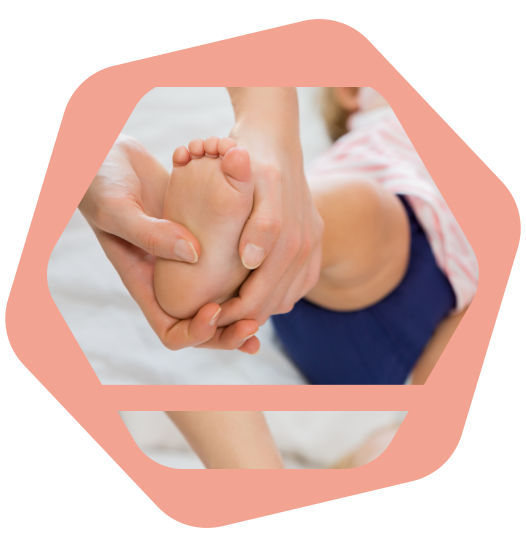
Children's feet play a vital role in their overall growth, posture, and movement. From a baby's first steps to the demands of school, sports, and daily activities, healthy foot development supports balance, coordination, and long-term mobility. However, many parents are unsure what is normal, when to be concerned, and when to seek professional podiatry advice.
This in-depth guide explains children's foot development, common concerns at different ages, and practical podiatry advice to help parents support healthy feet from infancy through adolescence.
By: MedGo2U Editorial Team
Medically Reviewed by: Mohammed R.
Reviewed on: Jan 27, 2026
Date Published: Jan 27, 2026
Date Modified: Jan 27, 2026
Why Children's Foot Development Matters
Children's feet are not simply smaller versions of adult feet. They are flexible, constantly changing, and made up of soft cartilage that gradually hardens into bone. Poor foot development can affect:
- Walking and running ability
- Posture and alignment
- Balance and coordination
- Comfort during daily activities
- Long-term musculoskeletal health
Early guidance helps prevent avoidable problems later in life.
Stages of Children's Foot Development
1. Infancy (0 to 12 months)
At birth, babies' feet:
- Are soft and flexible
- Appear flat due to a natural fat pad
- Have undeveloped arches
Podiatry advice: Barefoot time is encouraged indoors to allow natural movement and sensory feedback.
2. Toddler stage (1 to 3 years)
- Walking becomes more confident
- Feet widen for balance
- Flat feet are normal
Podiatry advice: Shoes should be lightweight, flexible, and properly fitted.
3. Early childhood (4 to 6 years)
- Arch development begins
- Coordination improves
- Running and jumping increase
Some children may still appear flat-footed, which is often normal.
4. School age (7 to 12 years)
- Foot bones become stronger
- Arches are more visible
- Sports activity increases
This is a key time when biomechanical issues may appear.
5. Adolescence (13 to 18 years)
- Feet approach adult structure
- Growth spurts can cause pain
- Sports-related injuries become more common
Podiatry input can help manage growth-related discomfort.
What Is Normal in Children's Foot Development?
Normal variations include:
- Flat feet in young children
- In-toeing or out-toeing
- Mild differences between feet
- Occasional tripping during early walking
Most resolve naturally with growth.
Common Children's Foot Problems
1. Flat feet (pes planus)
Very common in young children. Concern arises when pain is present, walking is affected, or flat feet persist into adolescence.
2. Toe walking
Often normal in toddlers, but persistent toe walking may require assessment.
3. Growing pains
Pain in the legs or feet, usually at night. Not harmful but can be distressing.
4. Ingrown toenails
Often caused by:
- Improper nail cutting
- Tight footwear
5. Heel pain (Sever's disease)
Common in active children aged 8 to 14 due to growth plate irritation.
6. Warts and skin issues
Verrucas are common in school-aged children and usually harmless.
When Should Parents Seek Podiatry Advice?
Consult a podiatrist if your child has:
- Persistent foot or leg pain
- Difficulty walking or running
- Frequent falls
- Uneven shoe wear
- Foot pain affecting sleep or school activities
Early assessment can prevent long-term issues.
The Role of Podiatry in Children's Foot Health
Children's podiatrists assess:
- Foot posture and alignment
- Gait and movement patterns
- Muscle strength and flexibility
- Footwear suitability
Treatment plans are age-appropriate and conservative.
Footwear Advice for Children
Key footwear features
- Correct length and width
- Flexible sole
- Firm heel counter
- Breathable materials
Shoes should be replaced regularly as children's feet grow quickly.
Barefoot vs shoes: what's best?
Barefoot walking:
- Encourages natural foot strength
- Improves balance and sensory input
Shoes are important outdoors for protection. A balance between both is ideal.
Orthotics for children: are they necessary?
Orthotics may be recommended if pain is present, walking mechanics are affected, or there is an underlying condition.
Many children do not need orthotics, and they are used only when clinically necessary.
Sports and Children's Foot Health
Sports increase load on growing feet. Common issues include:
- Heel pain
- Overuse injuries
- Nail and skin problems
Sports-specific footwear and gradual training progression are important.
Foot Care Tips for Parents
- Check feet regularly
- Trim nails straight across
- Encourage active play
- Avoid hand-me-down shoes
- Replace shoes before they become too tight
How Podiatry Supports Long-Term Foot Health
Early podiatry advice:
- Reduces injury risk
- Improves comfort
- Supports healthy development
- Builds confidence in movement
Home-Based Children's Podiatry with MedGo2U
MedGo2U offers:
- Home podiatry visits
- Child-friendly assessments
- Flexible appointment times
- Reduced stress for children
Conclusion
Children's foot development is a natural process, but guidance and early podiatry advice can make a significant difference. Understanding what is normal, choosing the right footwear, and seeking professional support when needed helps children stay active, comfortable, and confident as they grow.
If you're looking for a podiatrist in Sutton, book an appointment with Mohammed R., a verified HCPC-registered podiatrist offering home and video consultations across the city.
Frequently Asked Questions
Are flat feet normal in children?
Yes, especially under age 6. Most resolve naturally.
When should children wear shoes?
Shoes are needed outdoors; barefoot time indoors can support natural foot development.
Do children need orthotics?
Only when clinically indicated, for example persistent pain or gait concerns.
How often should children's feet be checked?
At least once a year, or sooner if you notice pain, frequent falls, or uneven shoe wear.

Join the movement for fair and flexible healthcare
WORK WITH MEDGO2U
Are you a qualified HCPC-registered podiatrist looking for flexible work across the UK? Join MedGo2U and start providing home visits or online consultations at your convenience.
References
- NHS. Children's Foot Health
- The College of Podiatry (UK)
- Journal of Foot and Ankle Research
About the Reviewer
Mohammed R. is a Specialist Podiatrist with seven years of clinical and domiciliary experience within the NHS. He manages a wide range of foot health needs, including nail pathology, callus and corn care, wound debridement, ulcer offloading, and insole guidance. Known for his organised, empathetic, and patient-focused approach, he consistently delivers effective care even in high-pressure environments.
Medical Disclaimer
This content is for educational purposes only and is not a substitute for professional medical advice. Always consult a qualified healthcare professional regarding your child's health.
Last medically reviewed on: Jan 27, 2026
Follow us to hear more



Ionela Marinau
Jan 27, 2026 • 11 minutes read