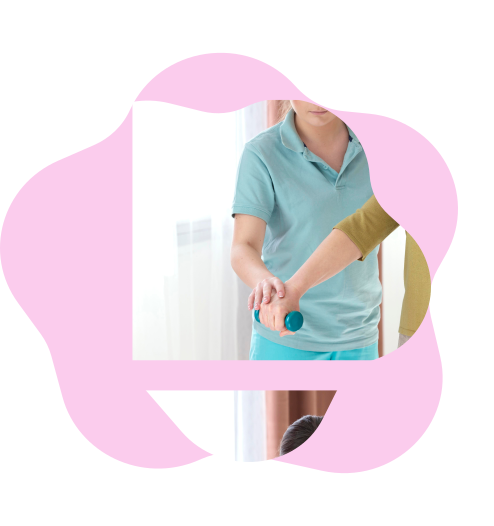
Neurological conditions can significantly affect a person's mobility, independence, and quality of life. While clinic-based rehabilitation has long been the standard, home-based neurological physiotherapy programmes are becoming an increasingly effective and preferred option for many patients.
Recovering at home offers comfort, convenience, and the opportunity to practise movements in real-life environments. With the guidance of qualified neurological physiotherapists, home-based programmes use evidence-based techniques to improve movement, balance, coordination, and daily function, while harnessing the brain's ability to adapt and recover.
In this comprehensive guide, we explain what home-based neurological physiotherapy programmes are, how they work, who they are for, and why they play a critical role in modern neurological rehabilitation.
By: MedGo2U Editorial Team
Medically Reviewed by: Ken Hong
Reviewed on: Jan 15, 2026
Date Published: Jan 15, 2026
Date Modified: Jan 15, 2026
What Is Home-Based Neurological Physiotherapy?
Home-based neurological physiotherapy involves delivering specialist physiotherapy services directly in a patient's home environment. These programmes are designed to treat conditions affecting the brain, spinal cord, and nervous system.
Instead of travelling to a clinic, the physiotherapist:
- Assesses movement in the patient's living space
- Designs personalised rehabilitation plans
- Guides functional exercises using household environments
- Monitors progress and adapts treatment
This approach aligns rehabilitation with daily life, improving real-world outcomes.
Why Home-Based Programmes Are Important in Neurological Rehabilitation
Neurological recovery depends on consistent, task-specific, and meaningful practice. Home-based physiotherapy supports this by:
- Reducing barriers to attendance
- Promoting regular movement practice
- Encouraging independence in daily tasks
- Minimising fatigue and travel stress
For individuals with mobility limitations, home-based care may be the most practical and effective option.
Neurological Conditions That Benefit from Home-Based Physiotherapy
Home-based neurological physiotherapy programmes are suitable for a wide range of conditions, including:
Stroke
Improving walking, arm function, balance, and independence at home.
Brain Injury
Restoring movement control, coordination, and daily mobility.
Parkinson's Disease
Maintaining mobility, posture, and functional independence.
Multiple Sclerosis (MS)
Managing fatigue, strength, balance, and symptom progression.
Spinal Cord Injury
Optimising remaining movement and functional abilities.
Neurological Disorders in Older Adults
Supporting safe mobility, fall prevention, and independence.
Key Components of a Home-Based Neurological Physiotherapy Programme
1. Comprehensive Assessment
The physiotherapist evaluates:
- Muscle strength and tone
- Balance and coordination
- Gait and mobility
- Functional ability
- Home environment risks
This ensures the programme is safe and personalised.
2. Individualised Goal Setting
Goals are tailored to each patient's priorities, such as:
- Walking safely indoors
- Standing independently
- Using hands for daily tasks
- Improving transfers and posture
3. Task-Specific Functional Training
Exercises are based on daily activities, including:
- Bed mobility
- Sit-to-stand practice
- Stair negotiation
- Reaching and grasping
4. Balance and Postural Control Exercises
Balance training reduces fall risk and improves confidence.
5. Strength and Endurance Training
Strengthening supports improved mobility and independence.
6. Neuroplasticity-Based Movement Retraining
Repeated, purposeful movements encourage the brain to form new neural connections.
How Home-Based Physiotherapy Supports Neuroplasticity
Neuroplasticity is the brain's ability to reorganise itself in response to experience. Home-based programmes support this by:
- Encouraging frequent practice
- Training movements in real-life contexts
- Reinforcing correct movement patterns
- Supporting long-term consistency
The familiar home environment enhances learning and carryover.
Benefits of Home-Based Neurological Physiotherapy Programmes
1. Comfort and Convenience
Patients recover in familiar surroundings, reducing anxiety and fatigue.
2. Improved Functional Outcomes
Practising tasks where they occur improves real-world performance.
3. Increased Consistency
Eliminating travel improves attendance and adherence.
4. Reduced Risk of Falls and Injuries
Physiotherapists identify home hazards and modify environments.
5. Family and Caregiver Involvement
Caregivers can observe sessions and support exercises safely.
Role of Caregivers in Home-Based Rehabilitation
Caregivers play a vital role by:
- Assisting with exercises
- Supporting motivation
- Ensuring safety
- Encouraging consistency
Physiotherapists provide education and guidance to caregivers.
Home-Based vs Clinic-Based Neurological Physiotherapy
| Home-Based | Clinic-Based |
|---|---|
| Real-life functional training | Equipment-focused |
| Reduced travel stress | Structured setting |
| Personalised environment | Controlled environment |
Many patients benefit from a combination of both approaches.
Virtual Physiotherapy and Hybrid Home Programmes
Technology has expanded access to care. Virtual sessions:
- Support follow-ups
- Reinforce exercises
- Monitor progress
- Improve long-term adherence
Hybrid models combine in-person and virtual care for flexibility.
Safety Considerations in Home-Based Physiotherapy
Physiotherapists ensure:
- Exercises are appropriate
- Environment is safe
- Progression is gradual
- Medical conditions are considered
Safety is prioritised at every stage.
How Often Should Home-Based Physiotherapy Be Done?
Frequency depends on:
- Condition severity
- Recovery stage
- Patient goals
Most programmes recommend:
- 1–3 supervised sessions per week
- Daily home exercises
Measuring Progress in Home-Based Programmes
Progress is tracked through:
- Functional improvements
- Mobility assessments
- Balance tests
- Patient-reported outcomes
Regular reassessment ensures continued improvement.
Challenges of Home-Based Neurological Physiotherapy
Common challenges include:
- Limited space
- Motivation issues
- Need for caregiver support
Professional guidance helps overcome these barriers.
Who Is an Ideal Candidate for Home-Based Programmes?
Home-based neurological physiotherapy is ideal for:
- Individuals with limited mobility
- Those recently discharged from hospital
- Patients preferring personalised care
- Older adults with fall risk
Conclusion
Home-based neurological physiotherapy programmes provide an effective, patient-centred approach to rehabilitation. By delivering specialist care in real-life environments, these programmes enhance recovery, promote independence, and improve quality of life for individuals with neurological conditions.
With professional support, consistency, and personalised planning, home-based physiotherapy empowers patients to recover where it matters most, at home.
If you're looking for a qualified physiotherapist in London, book an appointment with Parth V., a verified HCPC-registered physiotherapist offering home and video consultations across the city.
Frequently Asked Questions
Is home-based neurological physiotherapy effective?
Yes, research shows strong functional outcomes when programmes are structured and supervised.
Can severe neurological conditions be treated at home?
Many can, with appropriate professional guidance and safety planning.
Do I need special equipment at home?
Most programmes use bodyweight exercises and household items.
Can physiotherapy be combined with virtual sessions?
Yes, hybrid programmes are highly effective.
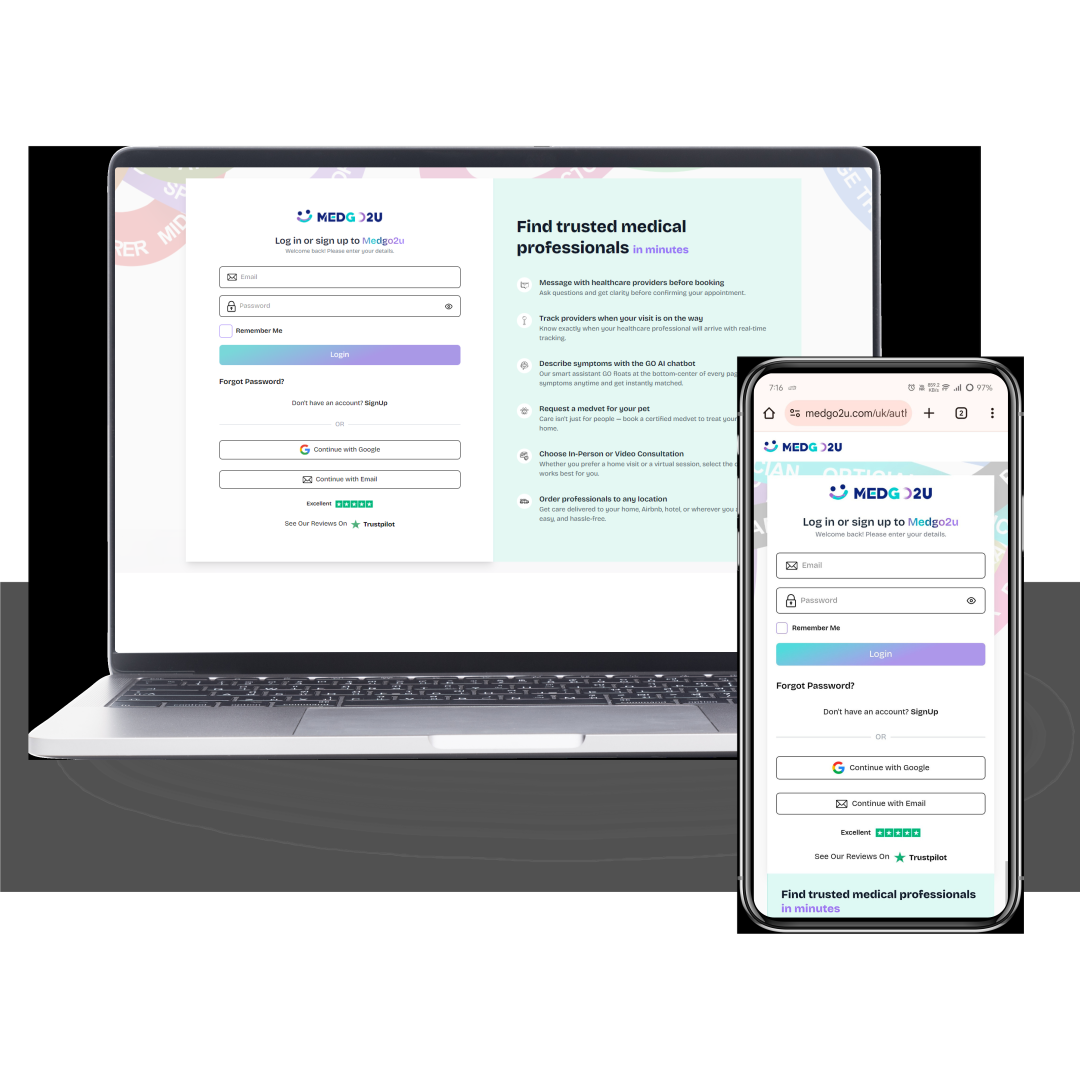
Join the movement for fair and flexible healthcare
WORK WITH MEDGO2U
Are you a qualified HCPC-registered physiotherapist looking for flexible work across London or the UK? Join MedGo2U and start providing specialist home visits or online consultations at your convenience.
References
- World Health Organization. Rehabilitation in Neurological Conditions.
- Kleim JA, Jones TA. Principles of Neuroplasticity in Rehabilitation.
- National Institute for Health and Care Excellence (NICE). Stroke and Neurological Rehabilitation Guidelines.
About the Reviewer
Ken Hong is a Band 6 Physiotherapist working within the Manchester NHS across both ward and community settings. He holds a BSc in Sport and Exercise Science and an MSc in Physiotherapy (Pre-registration) from the University of Birmingham. Ken has strong clinical experience in assessing, diagnosing and treating a wide range of musculoskeletal and post-operative conditions. His background in exercise science enhances his ability to design effective, evidence-based rehabilitation programmes that improve mobility, strength and overall recovery.
Medical Disclaimer
This content is for informational purposes only and does not replace professional medical advice. Always consult a qualified healthcare provider before beginning neurological physiotherapy.
Last medically reviewed on: Jan 15, 2026
Follow us to hear more



Ionela Marinau
Jan 15, 2026 • 10 minutes read