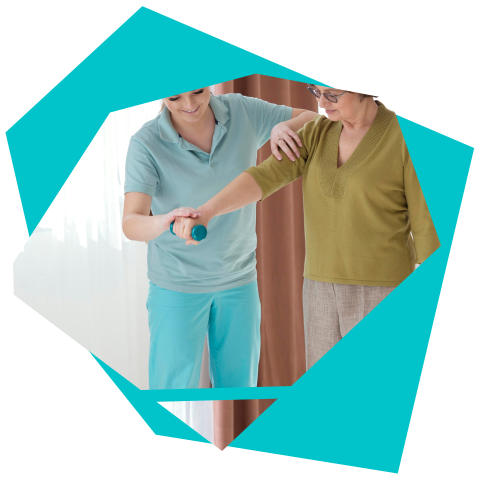
A stroke can be a life-changing event, affecting movement, communication, thinking, and the ability to perform everyday tasks. Recovery is often a long journey that requires specialised rehabilitation support tailored to each individual's needs.
One of the most essential components of post-stroke recovery is occupational therapy (OT). Understanding how occupational therapy helps stroke rehabilitation empowers patients and families to make informed decisions, set realistic goals, and regain independence step by step. This comprehensive guide explores the role of occupational therapy in stroke recovery, treatment approaches, benefits, and what patients can expect throughout the rehabilitation process.
By: MedGo2U Editorial Team
Medical Review Details
Medically Reviewed by: Jerri De Melverda
Reviewed on: Feb 02, 2026
Date Published: Feb 02, 2026
Date Modified: Feb 02, 2026
Understanding Stroke and Its Impact
A stroke occurs when blood supply to part of the brain is interrupted, leading to brain cell damage. Depending on the area affected, stroke survivors may experience:
- Weakness or paralysis
- Loss of coordination
- Difficulty with balance
- Cognitive impairments
- Speech and communication challenges
- Emotional and behavioural changes
These impairments often interfere with daily activities such as dressing, eating, bathing, and returning to work or social life.
What Is Occupational Therapy?
Occupational therapy is a healthcare profession focused on enabling individuals to participate in meaningful daily activities (occupations) despite physical, cognitive, or emotional challenges.
In stroke rehabilitation, occupational therapists help patients:
- Relearn essential life skills
- Adapt to physical limitations
- Regain independence
- Improve quality of life
How Occupational Therapy Helps Stroke Rehabilitation
Occupational therapy addresses the practical, real-life challenges stroke survivors face every day.
1. Restoring Independence in Daily Activities
One of the primary goals of occupational therapy is to help stroke survivors regain independence in activities of daily living (ADLs), including:
- Dressing
- Grooming
- Bathing
- Eating
- Toileting
Therapists use step-by-step training, adaptive techniques, and assistive tools to make tasks manageable again.
2. Improving Upper Limb Function
Many stroke survivors experience weakness or loss of control in the arms and hands. Occupational therapy focuses on:
- Strengthening affected muscles
- Improving coordination
- Re-educating movement patterns
- Encouraging functional use of the affected limb
This is critical for tasks such as writing, cooking, and self-care.
3. Enhancing Cognitive Skills
Strokes can affect thinking abilities, including memory, attention, problem-solving, and planning. Occupational therapists provide cognitive rehabilitation to help patients:
- Improve focus and concentration
- Develop memory strategies
- Relearn sequencing and task organisation
- Adapt to cognitive changes
4. Supporting Sensory and Perceptual Recovery
Some stroke survivors experience sensory loss or altered perception, such as difficulty judging distances or recognising objects. Occupational therapy helps retrain the brain through:
- Sensory stimulation techniques
- Visual-spatial training
- Task-specific practice
5. Promoting Neuroplasticity
Occupational therapy leverages neuroplasticity, the brain's ability to reorganise and form new neural connections. Repetitive, purposeful activities encourage the brain to relearn lost functions.
6. Managing Fatigue and Energy Levels
Post-stroke fatigue is common and can limit recovery. Occupational therapists teach:
- Energy conservation techniques
- Activity pacing
- Prioritisation of tasks
These strategies allow patients to engage in rehabilitation without burnout.
7. Emotional and Psychological Support
Stroke recovery is not only physical. Occupational therapists address emotional challenges such as:
- Loss of confidence
- Anxiety
- Depression
- Reduced self-esteem
Through goal setting and positive reinforcement, therapy supports emotional well-being.
8. Home and Environmental Adaptations
Occupational therapists assess living environments and recommend modifications to improve safety and independence, such as:
- Grab rails
- Adaptive kitchen tools
- Bathroom aids
- Furniture rearrangement
9. Return to Work and Social Roles
For working-age stroke survivors, occupational therapy supports return to employment by:
- Assessing job demands
- Recommending workplace adaptations
- Gradual return-to-work planning
Social reintegration is also a key focus of therapy.
10. Supporting Family and Caregivers
Occupational therapy includes caregiver education, helping families understand how to:
- Assist safely
- Encourage independence
- Avoid burnout
What Happens in an Occupational Therapy Session?
Initial Assessment
- Medical history review
- Functional assessment
- Goal setting with patient and family
Treatment Planning
- Individualised therapy programme
- Short- and long-term goals
Ongoing Therapy
- Task-specific training
- Adaptive strategies
- Progress reviews
Occupational Therapy Across Stroke Recovery Stages
Acute Stage
Focus on basic movement, positioning, and early independence.
Rehabilitation Stage
Intensive functional training and skill rebuilding.
Community and Long-Term Recovery
Maintaining independence and preventing regression.
Home-Based Occupational Therapy
Home-based OT allows therapy in a familiar environment, making skills more transferable to daily life. MedGo2U provides:
- Home visits
- Video consultations
- Flexible scheduling
Why Early Occupational Therapy Matters
Early intervention improves:
- Functional recovery
- Independence outcomes
- Long-term quality of life
Delayed therapy often results in slower progress and reduced confidence.
Conclusion
Understanding how occupational therapy helps stroke rehabilitation highlights its vital role in restoring independence, function, and dignity after stroke. Through personalised care, adaptive strategies, and meaningful goal setting, occupational therapy empowers stroke survivors to rebuild their lives one step at a time.
Frequently Asked Questions
1. How soon after a stroke should occupational therapy begin?
As early as medically possible, often within days.
2. Can occupational therapy improve hand function after stroke?
Yes, targeted therapy supports upper limb recovery.
3. Is occupational therapy suitable for elderly stroke patients?
Absolutely, therapy is adapted for all ages.
4. How long does occupational therapy last after a stroke?
Duration varies based on individual recovery goals.
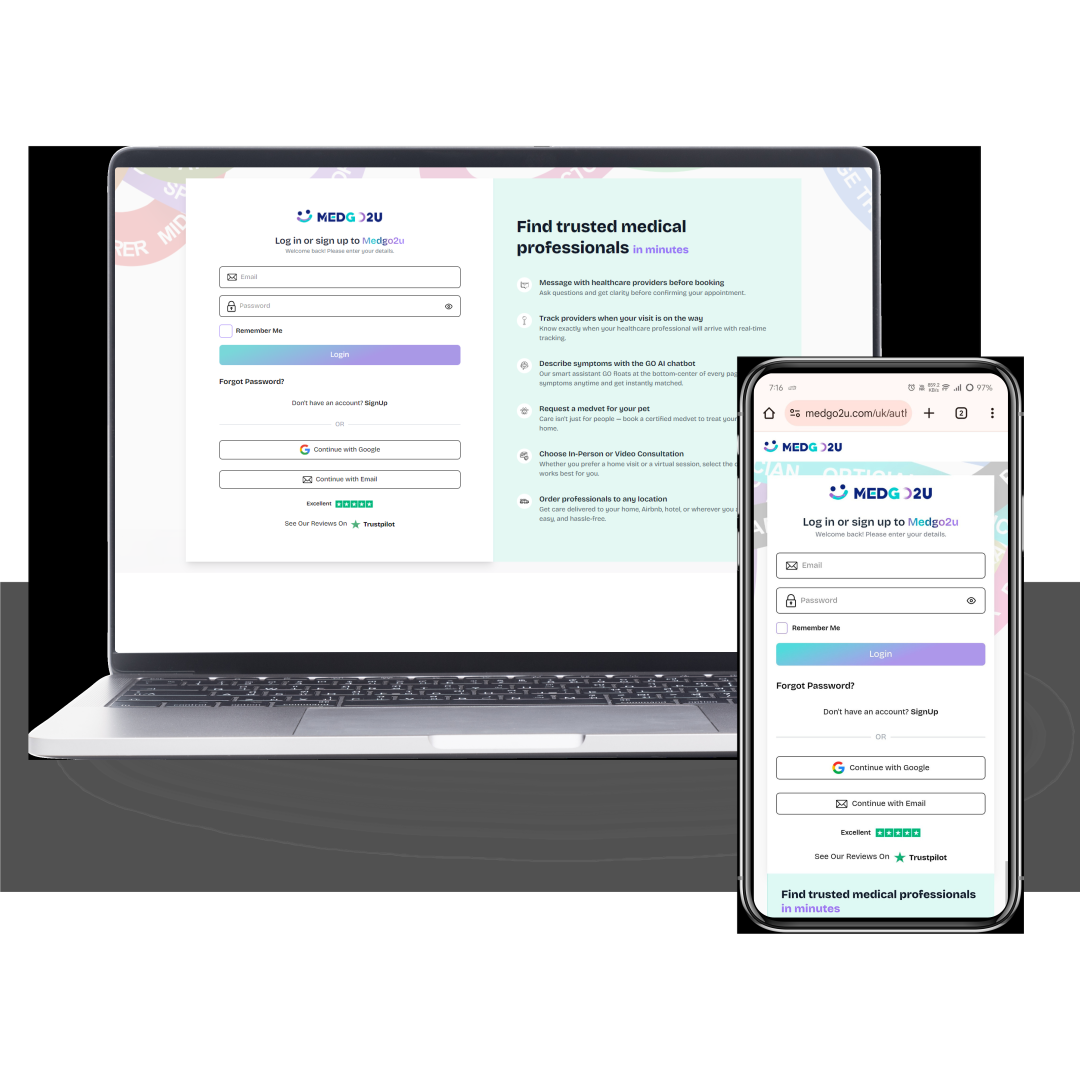
Join the movement for fair and flexible healthcare
WORK WITH MEDGO2U
Are you a qualified occupational therapist looking for flexible work across London or the UK? Join MedGo2U and start providing home visits or online consultations at your convenience.
References
- [1] NHS. Stroke Rehabilitation Guidelines
- [2] Royal College of Occupational Therapists (UK)
- [3] Stroke Association UK
About the Reviewer
Jerri De Melverda is a Band 7 Occupational Therapist working for a private healthcare company. Her expertise lies in assessing home environments and recommending the right equipment to support client safety and independence. She carries out thorough home assessments, identifying hazards and selecting suitable solutions such as hoists, commodes and grab rails. Jerri focuses on creating a safe, functional living space tailored to each person's needs, helping them carry out daily activities with confidence and maximised independence.
Medical Disclaimer
This content is for educational purposes only and does not replace medical advice. Always consult a qualified healthcare professional for diagnosis and treatment.
Last medically reviewed on: Feb 02, 2026
Follow us to hear more



Ionela Marinau
Feb 02, 2026 • 11 minutes read