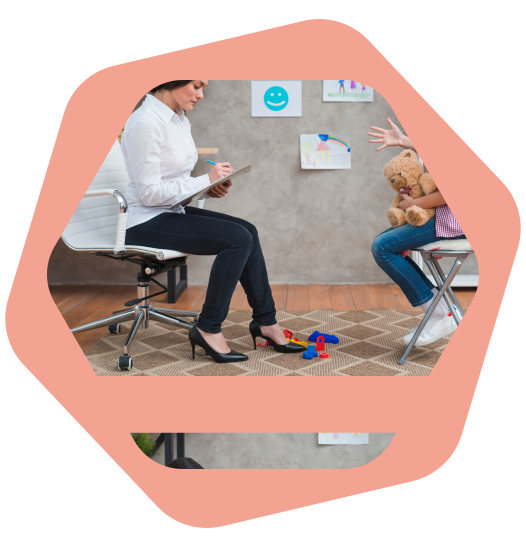
Mental health conditions can significantly affect how individuals manage daily activities, relationships, work, and self-care. Anxiety, depression, trauma, bipolar disorder, schizophrenia, and other mental health challenges often interfere with motivation, routine, emotional regulation, and participation in meaningful life roles.
Mental health occupational therapy plays a crucial role in supporting individuals to regain independence, structure, and confidence in everyday life. Rather than focusing solely on symptoms, occupational therapy addresses how mental health affects a person's ability to function, engage, and thrive in real-world environments.
This comprehensive guide explores the benefits and strategies of mental health occupational therapy, who it supports, what therapy involves, and how it helps individuals build sustainable coping skills and meaningful lives.
By: MedGo2U Editorial Team
Medically Reviewed by: Jerri De Melverda
Reviewed on: Apr 29, 2026
Date Published: Apr 29, 2026
Date Modified: Apr 29, 2026
Understanding Mental Health and Daily Functioning
Mental health affects how we:
- Think and process information
- Manage emotions
- Engage with others
- Perform daily routines
- Handle stress and change
When mental health is compromised, even simple tasks such as getting out of bed, preparing meals, or attending appointments can feel overwhelming.
Occupational therapy focuses on functional recovery, helping individuals do what matters to them despite mental health challenges.
What Is Mental Health Occupational Therapy?
Mental health occupational therapy is a client-centred approach that helps individuals:
- Develop daily routines
- Improve self-care and life skills
- Build coping and emotional regulation strategies
- Return to work, education, or meaningful roles
- Increase confidence and independence
Occupational therapists work in community settings, hospitals, rehabilitation centres, and increasingly through home-based and virtual services.
Who Can Benefit from Mental Health Occupational Therapy?
Mental health occupational therapy supports individuals experiencing:
- Anxiety disorders
- Depression
- Bipolar disorder
- Post-traumatic stress disorder (PTSD)
- Schizophrenia and psychosis
- Personality disorders
- Eating disorders
- Stress-related burnout
- Neurodivergent mental health challenges
Support is available for adolescents, adults, and older adults.
The Role of an Occupational Therapist in Mental Health Care
Occupational therapists help bridge the gap between mental health treatment and everyday life by:
- Assessing functional abilities
- Identifying barriers to participation
- Setting meaningful goals
- Teaching practical coping strategies
- Adapting environments and routines
Their role is holistic, collaborative, and recovery-focused.
Key Benefits of Mental Health Occupational Therapy
1. Improved Daily Structure and Routine
Mental health conditions often disrupt daily routines. Occupational therapy helps individuals:
- Establish healthy sleep patterns
- Create manageable daily schedules
- Balance activity and rest
- Reduce overwhelm
Routine provides predictability and emotional safety.
2. Enhanced Emotional Regulation
Occupational therapists teach strategies to:
- Recognise emotional triggers
- Manage anxiety and low mood
- Reduce emotional overload
- Improve distress tolerance
This supports long-term emotional resilience.
3. Increased Independence in Daily Living
Mental health occupational therapy supports:
- Personal hygiene and self-care
- Meal planning and preparation
- Household management
- Time and energy management
These skills build confidence and autonomy.
4. Support with Work, Education, and Vocational Goals
Occupational therapists help individuals:
- Prepare for return to work
- Manage workplace stress
- Develop coping strategies for study demands
- Explore meaningful vocational roles
This supports sustainable participation rather than burnout.
5. Improved Social Participation
Mental health challenges can lead to isolation. Occupational therapy supports:
- Social confidence
- Communication skills
- Community engagement
- Relationship building
Participation enhances wellbeing and self-esteem.
Mental Health Occupational Therapy Strategies
1. Activity Analysis and Grading
Therapists break activities into manageable steps and gradually increase complexity, helping individuals succeed without feeling overwhelmed.
2. Coping and Stress Management Techniques
Strategies may include:
- Breathing and grounding techniques
- Mindfulness-based activities
- Sensory calming tools
- Energy conservation strategies
These tools support emotional regulation in daily life.
3. Sensory Modulation Strategies
Many individuals experience sensory sensitivity or sensory seeking behaviours. Occupational therapists use:
- Sensory toolkits
- Environmental modifications
- Movement-based regulation strategies
These reduce anxiety and improve focus.
4. Routine and Habit Formation
Therapists support habit building by:
- Creating realistic routines
- Linking activities to personal values
- Using visual schedules or reminders
This encourages consistency and motivation.
5. Environmental Adaptation
Modifying the environment can significantly reduce mental health stressors, including:
- Reducing clutter
- Adjusting lighting and noise
- Creating calm, safe spaces
Small changes can make a big difference.
Mental Health Occupational Therapy in Community Settings
Community-based occupational therapy focuses on:
- Independent living skills
- Community participation
- Long-term recovery support
- Relapse prevention
Home-based services are particularly effective.
Mental Health Occupational Therapy in Crisis and Recovery
Occupational therapists support individuals during:
- Hospital discharge
- Crisis recovery
- Transition back to daily life
This continuity of care reduces relapse risk.
Mental Health Occupational Therapy and Trauma-Informed Care
Occupational therapists use trauma-informed principles by:
- Prioritising safety
- Respecting autonomy
- Offering choice and collaboration
- Avoiding re-traumatisation
This approach is essential in mental health care.
Mental Health Occupational Therapy for Anxiety and Depression
Therapy focuses on:
- Re-engaging in meaningful activities
- Reducing avoidance behaviours
- Building motivation
- Managing fatigue and low mood
Small, achievable goals drive recovery.
Mental Health Occupational Therapy for Severe and Enduring Conditions
For long-term mental health conditions, therapy supports:
- Stable routines
- Independent living skills
- Social inclusion
- Quality of life
Recovery is defined by personal goals, not diagnosis.
Family and Caregiver Involvement
Occupational therapists educate families on:
- Supporting independence
- Encouraging healthy routines
- Reducing unhelpful support patterns
- Managing caregiver stress
Family involvement improves outcomes.
Home-Based Mental Health Occupational Therapy
Home-based therapy allows:
- Real-life skill practice
- Comfortable environments
- Personalised interventions
- Better engagement
MedGo2U offers flexible home-based occupational therapy services.
Accessing Mental Health Occupational Therapy
Mental health occupational therapy can be accessed through:
- NHS community mental health teams
- Private providers
- Online and home-based platforms like MedGo2U
Early support leads to better recovery outcomes.
Mental Health Occupational Therapy with MedGo2U
MedGo2U connects individuals with qualified mental health occupational therapists who provide:
- Home-based assessments
- Flexible appointment scheduling
- Person-centred care
- Confidential, professional support
Conclusion
Mental health occupational therapy plays a vital role in supporting recovery, independence, and wellbeing. Through practical strategies, personalised routines, and holistic care, occupational therapists help individuals rebuild meaningful lives beyond mental health challenges.
With the right support, recovery is not just possible, it is sustainable.
Frequently Asked Questions
What does a mental health occupational therapist do?
They support daily functioning, routines, emotional regulation, and meaningful participation.
Is occupational therapy suitable for anxiety and depression?
Yes, occupational therapy is highly effective for managing anxiety, depression, and stress.
Can mental health occupational therapy be home-based?
Yes, home-based therapy is often more effective and comfortable.
Does occupational therapy replace counselling or medication?
No, it complements other mental health treatments.
Join the movement for fair and flexible healthcare
WORK WITH MEDGO2U
Are you a qualified occupational therapist looking for flexible work across London or the UK? Join MedGo2U and start providing home visits or online consultations at your convenience.
References
- NHS, Occupational Therapy and Mental Health
- Royal College of Occupational Therapists (UK)
- NICE Guidelines, Mental Health Rehabilitation
About the Reviewer
Jerri De Melverda is a Band 7 Occupational Therapist working for a private healthcare company. Her expertise lies in assessing home environments and recommending the right equipment to support client safety and independence. She carries out thorough home assessments, identifying hazards and selecting suitable solutions such as hoists, commodes and grab rails. Jerri focuses on creating a safe, functional living space tailored to each person's needs, helping them carry out daily activities with confidence and maximised independence.
Medical Disclaimer
This content is for educational purposes only and does not replace professional medical advice, diagnosis, or treatment.
Last medically reviewed on: Apr 29, 2026
Follow us to hear more



Ionela Marinau
Apr 29, 2026 • 12 minutes read