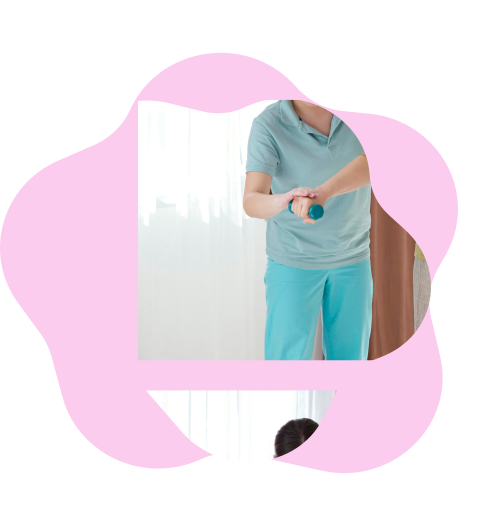
A stroke can change a person's life suddenly and significantly. Many stroke survivors experience weakness, reduced movement, balance problems, speech difficulties, and challenges with daily activities. Recovery after a stroke is a gradual process that requires patience, consistency, and the right rehabilitation approach.
Neurological physiotherapy plays a vital role in stroke recovery by helping the brain and body relearn movement and function. Through specific exercises and guided practice, stroke survivors can improve mobility, independence, and quality of life. This blog explains neurological physiotherapy exercises for stroke recovery, how they work, and how they can be safely performed at home with professional guidance.
By: MedGo2U Editorial Team
Medically Reviewed by: Ken Hong
Reviewed on: Jan 6, 2026
Date Published: Jan 6, 2026
Date Modified: Jan 6, 2026
Understanding Stroke and Its Effects on the Body
A stroke occurs when blood flow to part of the brain is interrupted or reduced, preventing brain tissue from receiving oxygen and nutrients. This can result in damage to areas of the brain responsible for movement, balance, coordination, sensation, and speech.
Common physical challenges after a stroke include:
- Muscle weakness or paralysis on one side of the body
- Reduced coordination and balance
- Muscle stiffness or spasticity
- Difficulty walking
- Loss of fine motor skills
- Fatigue
Neurological physiotherapy focuses on improving these impairments by promoting recovery and adaptation within the nervous system.
How Neurological Physiotherapy Supports Stroke Recovery
The brain has the ability to reorganize itself after injury, a process known as neuroplasticity. Neurological physiotherapy uses repeated, purposeful movements to encourage the brain to form new connections and regain lost functions.
Research shows that early and consistent physiotherapy significantly improves motor recovery and independence after stroke (Reddy et al., 2024).
Key goals of neurological physiotherapy include:
- Improving movement and strength
- Reducing stiffness and muscle tightness
- Enhancing balance and coordination
- Promoting independence in daily activities
- Preventing complications such as falls
When Should Stroke Physiotherapy Begin?
Physiotherapy often begins as soon as the patient is medically stable, sometimes within days after a stroke. Early movement helps prevent stiffness, muscle shortening, and secondary complications.
However, neurological physiotherapy remains beneficial at all stages of recovery, including months or years after a stroke. Progress may be slower later on, but meaningful improvements are still possible with consistent practice.
Principles of Neurological Physiotherapy Exercises
Before exploring specific exercises, it is important to understand the principles that guide stroke rehabilitation:
- Exercises should be task-specific and meaningful
- Movements should be repeated regularly
- Exercises must be progressed gradually
- Quality of movement is more important than speed
- Safety and proper positioning are essential
Physiotherapists tailor exercises based on the individual's abilities and recovery stage.
Neurological Physiotherapy Exercises for Stroke Recovery
1. Passive and Assisted Range of Motion Exercises
In early stages of recovery, many stroke survivors are unable to move certain limbs independently. Passive and assisted exercises help maintain joint mobility and prevent stiffness.
Examples include:
- Gentle arm lifting with support
- Assisted elbow bending and straightening
- Shoulder rotations
- Assisted ankle and knee movements
These exercises improve circulation and reduce muscle tightness.
2. Active Range of Motion Exercises
As strength improves, active exercises encourage the stroke survivor to move independently.
Examples include:
- Lifting the affected arm with control
- Straightening and bending the knee
- Opening and closing the hand
- Shoulder flexion and abduction
Research shows that active movement practice improves motor recovery more effectively than passive movement alone (Lewis et al., 2023).
3. Strengthening Exercises
Muscle weakness is common after a stroke. Strengthening exercises focus on rebuilding muscle activity without causing fatigue.
Examples include:
- Seated leg lifts
- Bridging exercises
- Supported standing weight shifts
- Resistance band exercises (when appropriate)
Strengthening supports better walking, posture, and balance.
4. Balance and Postural Control Exercises
Balance problems increase the risk of falls after stroke. Physiotherapy focuses on improving control in sitting and standing positions.
Exercises include:
- Sitting balance training
- Weight shifting from side to side
- Standing balance with support
- Reaching tasks in standing
Improved balance increases confidence and independence in daily activities.
5. Gait Training and Walking Exercises
Walking difficulties are one of the most common challenges after a stroke. Neurological physiotherapy helps retrain walking patterns.
Exercises may include:
- Supported walking practice
- Step-to and step-through patterns
- Heel-to-toe walking drills
- Treadmill walking (when appropriate)
Studies show that repetitive gait training improves walking speed and endurance in stroke survivors (Smith et al., 2024).
6. Upper Limb and Hand Function Exercises
Regaining arm and hand function is essential for daily tasks such as eating, dressing, and grooming.
Exercises include:
- Reaching and grasping activities
- Finger opening and closing
- Object manipulation tasks
- Tabletop arm movements
Task-specific practice helps improve coordination and functional use of the affected arm.
7. Core Stability Exercises
Core strength supports posture, balance, and movement control.
Examples include:
- Seated trunk rotations
- Pelvic tilts
- Supported sitting balance challenges
- Bridging exercises
A strong core improves walking and reduces compensatory movements.
8. Functional Task Training
Neurological physiotherapy emphasizes practicing real-life tasks rather than isolated movements.
Examples include:
- Sit-to-stand practice
- Bed mobility exercises
- Reaching for household objects
- Stair simulation exercises
Functional training improves independence and confidence.
9. Stretching and Spasticity Management
Muscle stiffness and spasticity are common after stroke. Gentle stretching helps maintain flexibility and comfort.
Stretching targets:
- Calves
- Hamstrings
- Wrist and finger flexors
- Shoulder muscles
Regular stretching reduces discomfort and improves movement quality.
10. Breathing and Endurance Exercises
Stroke recovery can affect breathing efficiency and endurance. Physiotherapy includes:
- Deep breathing exercises
- Postural breathing techniques
- Gradual cardiovascular conditioning
Improved endurance supports longer activity participation.
How Often Should Stroke Exercises Be Done?
Consistency is key in neurological rehabilitation. Many physiotherapy programs recommend:
- Daily practice of simple exercises
- Multiple short sessions rather than one long session
- Regular reassessment and progression
A physiotherapist adjusts the program based on fatigue levels and progress.
Can Stroke Rehabilitation Be Done at Home?
Yes. Home-based neurological physiotherapy is effective and often preferred by stroke survivors.
Benefits include:
- Familiar and comfortable environment
- Reduced travel stress
- Family involvement in care
- Better adherence to exercises
Virtual physiotherapy sessions allow therapists to guide exercises, monitor progress, and provide education remotely.
The Role of Caregivers in Stroke Recovery
Caregivers play an important role in supporting rehabilitation by:
- Encouraging exercise practice
- Assisting safely with movements
- Creating a positive recovery environment
- Monitoring fatigue and safety
Physiotherapists often educate caregivers on safe support techniques.
Common Challenges During Stroke Recovery
Stroke recovery is not always linear. Common challenges include:
- Fatigue
- Slow progress
- Frustration or low motivation
- Fear of falling
Professional guidance and emotional support are essential during these phases.
Conclusion
Neurological physiotherapy exercises are a cornerstone of stroke recovery. Through consistent practice, guided movement, and task-specific training, stroke survivors can regain strength, improve balance, and increase independence.
Whether in early recovery or long-term rehabilitation, working with a qualified neurological physiotherapist helps ensure exercises are safe, effective, and tailored to individual needs. Home visits and virtual physiotherapy sessions make stroke rehabilitation accessible and flexible for patients and families.
If you or a loved one is recovering from a stroke, consider professional neurological physiotherapy support to guide recovery and improve quality of life.
If you're looking for a qualified physiotherapist in London, book an appointment with Parth V., a verified HCPC-registered physiotherapist offering home and video consultations across the city.
Frequently Asked Questions
How long does stroke recovery take?
Recovery varies for each person. Improvements can continue for months or years with regular therapy.
Can physiotherapy help years after a stroke?
Yes. Neurological physiotherapy can improve function even long after a stroke.
Are stroke exercises safe at home?
Yes, when guided by a qualified physiotherapist and adapted to the individual's abilities.
Can virtual physiotherapy help stroke patients?
Yes. Virtual sessions are effective for guided exercises, education, and progress monitoring.
Join the movement for fair and flexible healthcare
WORK WITH MEDGO2U
Are you a qualified HCPC-registered physiotherapist looking for flexible work across London or the UK? Join MedGo2U and start providing specialist home visits or online consultations at your convenience.
References
- Reddy, P. et al. (2024). Neuroplasticity and stroke rehabilitation outcomes.
- Lewis, J. et al. (2023). Motor recovery and physiotherapy after stroke.
- Smith, A. et al. (2024). Functional rehabilitation strategies in stroke patients.
About the Reviewer
Ken Hong is a Band 6 Physiotherapist working within the Manchester NHS across both ward and community settings. He holds a BSc in Sport and Exercise Science and an MSc in Physiotherapy (Pre-registration) from the University of Birmingham. Ken has strong clinical experience in assessing, diagnosing and treating a wide range of musculoskeletal and post-operative conditions. His background in exercise science enhances his ability to design effective, evidence-based rehabilitation programmes that improve mobility, strength and overall recovery.
Medical Disclaimer
This content is for educational purposes only and does not replace professional medical advice, diagnosis, or treatment. Always consult a qualified healthcare professional for personalized care.
Last medically reviewed on: Jan 6, 2026
Follow us to hear more



Ionela Marinau
Jan 6, 2026 • 12 minutes read