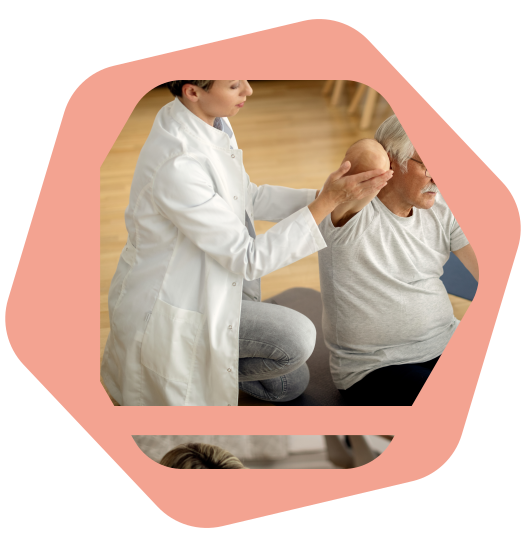
Parkinson's disease affects movement, balance, and coordination, often making everyday activities challenging. Symptoms such as stiffness, slow movement, tremors, and poor balance can gradually reduce independence and confidence.
Neurophysiotherapy plays an important role in managing Parkinson's disease symptoms. This blog explains how neurophysiotherapy helps, what treatment involves, and how regular sessions can support mobility, safety, and quality of life for people living with Parkinson's disease.
By: MedGo2U Editorial Team
Medically Reviewed by: Ken Hong
Reviewed on: Jan 8, 2026
Date Published: Jan 8, 2026
Date Modified: Jan 8, 2026
Understanding Parkinson's Disease and Movement Challenges
Parkinson's disease is a progressive neurological condition that affects how the brain controls movement. It mainly impacts dopamine-producing cells, which help regulate smooth and coordinated movement.
Common movement-related symptoms include:
- Muscle stiffness
- Slowness of movement
- Tremors
- Poor balance
- Shuffling walk
- Reduced arm swing
- Difficulty starting or stopping movement
Over time, these symptoms can affect walking, posture, transfers, and daily activities.
What Is Neurophysiotherapy?
Neurophysiotherapy is a specialized form of physiotherapy that focuses on movement problems caused by conditions affecting the nervous system. In Parkinson's disease, neurophysiotherapy aims to improve movement quality, posture, balance, and functional ability.
Rather than focusing only on strength, neurophysiotherapy works on retraining the brain and body to move more efficiently. Research shows that regular, task-based physiotherapy improves mobility and reduces disability in people with Parkinson's disease (Keus et al., 2014).
How Neurophysiotherapy Helps Parkinson's Disease Symptoms
Neurophysiotherapy supports people with Parkinson's disease in several important ways.
Improving Movement and Mobility
Neurophysiotherapists guide patients through exercises that improve:
- Step length
- Walking speed
- Arm swing
- Turning ability
Practicing these movements helps reduce shuffling and freezing episodes.
Reducing Muscle Stiffness
Stiffness and rigidity are common in Parkinson's disease. Neurophysiotherapy includes:
- Gentle stretching
- Controlled movement exercises
- Postural correction
These techniques help improve comfort and movement range.
Improving Balance and Reducing Falls
Balance problems increase fall risk in Parkinson's disease. Neurophysiotherapy focuses on:
- Balance training
- Weight shifting exercises
- Safe stepping strategies
Research shows that balance-focused physiotherapy reduces fall risk and improves confidence (Tomlinson et al., 2013).
Managing Freezing of Gait
Freezing of gait occurs when movement suddenly stops. Neurophysiotherapists teach strategies such as:
- Visual cues
- Rhythm-based exercises
- Step initiation techniques
These methods help patients move more smoothly and safely.
What Happens During a Neurophysiotherapy Session?
Each session adapts to the individual's symptoms and stage of Parkinson's disease.
Initial Assessment
The first session includes:
- Medical history review
- Assessment of posture, balance, and walking
- Evaluation of strength and flexibility
- Discussion of daily challenges
This assessment helps create a personalized treatment plan.
Movement-Based Exercises
Sessions often include:
- Walking practice
- Large movement exercises
- Postural alignment training
- Functional tasks like standing up or turning
Repetition supports better movement control.
Strength and Endurance Training
Neurophysiotherapy includes safe strengthening exercises to improve muscle control and stamina without causing fatigue.
Balance and Coordination Work
Balance exercises help improve stability during daily activities and reduce fear of falling.
Neurophysiotherapy at Home for Parkinson's Disease
Home-based neurophysiotherapy allows treatment in familiar environments. It helps:
- Practice real-life movements
- Reduce travel fatigue
- Improve safety at home
Home sessions can improve consistency and comfort.
Virtual Neurophysiotherapy Sessions
Virtual sessions may support:
- Guided exercise programs
- Movement cueing
- Education and advice
Virtual care works best for patients who can move safely with guidance.
Role of Family and Caregivers
Family support improves outcomes. Neurophysiotherapists may educate caregivers on:
- Safe assistance techniques
- Movement cueing
- Encouraging independence
Education reduces stress for both patients and caregivers.
How Often Is Neurophysiotherapy Needed?
Frequency depends on:
- Severity of symptoms
- Stage of Parkinson's disease
- Patient goals
- Response to therapy
Many people benefit from regular sessions combined with home exercises.
Conclusion
Neurophysiotherapy plays a vital role in managing Parkinson's disease symptoms. Through movement retraining, balance exercises, and functional practice, neurophysiotherapy helps improve mobility, safety, and confidence.
Although Parkinson's disease is progressive, consistent neurophysiotherapy can slow functional decline and support independence. Early and ongoing physiotherapy helps people stay active and maintain a better quality of life.
If you're looking for a qualified physiotherapist in London, book an appointment with Parth V., a verified HCPC-registered physiotherapist offering home and video consultations across the city.
Frequently Asked Questions
Can neurophysiotherapy cure Parkinson's disease?
No, but it helps manage symptoms and improve daily function.
Is neurophysiotherapy safe for Parkinson's disease?
Yes, when delivered by a trained professional.
Can neurophysiotherapy be done at home?
Yes. Home-based sessions are effective and convenient.
Join the movement for fair and flexible healthcare
WORK WITH MEDGO2U
Are you a qualified HCPC-registered physiotherapist looking for flexible work across London or the UK? Join MedGo2U and start providing specialist home visits or online consultations at your convenience.
References
- Keus, S. H. J., et al. (2014). Evidence-based analysis of physical therapy in Parkinson's disease. Movement Disorders.
- Tomlinson, C. L., et al. (2013). Physiotherapy intervention in Parkinson's disease. Cochrane Database.
- Ellis, T., & Rochester, L. (2018). Mobilizing Parkinson's disease. Journal of Parkinson's Disease.
About the Reviewer
Ken Hong is a Band 6 Physiotherapist working within the Manchester NHS across both ward and community settings. He holds a BSc in Sport and Exercise Science and an MSc in Physiotherapy (Pre-registration) from the University of Birmingham. Ken has strong clinical experience in assessing, diagnosing and treating a wide range of musculoskeletal and post-operative conditions. His background in exercise science enhances his ability to design effective, evidence-based rehabilitation programmes that improve mobility, strength and overall recovery.
Medical Disclaimer
This content is for educational purposes only and does not replace professional medical advice, diagnosis, or treatment. Always consult a qualified healthcare professional for personalized care.
Last medically reviewed on: Jan 8, 2026
Follow us to hear more



Ionela Marinau
Jan 8, 2026 • 10 minutes read