
Every child develops at their own pace, but some children face challenges that make everyday activities more difficult. Difficulties with movement, coordination, sensory processing, attention, or self-care can impact a child's learning, confidence, and participation in daily life.
Occupational therapy for children's developmental support plays a vital role in helping children overcome these challenges. Through personalised, play-based, and evidence-based interventions, occupational therapy empowers children to build essential life skills, achieve developmental milestones, and participate fully at home, school, and in the community.
This comprehensive guide explains how occupational therapy supports child development, who can benefit, what therapy involves, and how families can access professional care.
By: MedGo2U Editorial Team
Medical Review Details
Medically Reviewed by: Jerri De Melverda
Reviewed on: Feb 04, 2026
Date Published: Feb 04, 2026
Date Modified: Feb 04, 2026
Understanding Child Development
Child development includes a wide range of skills that evolve as children grow, including:
- Gross motor skills (crawling, walking, running)
- Fine motor skills (grasping, writing, buttoning)
- Sensory processing
- Cognitive and problem-solving abilities
- Social and emotional skills
- Self-care and independence
When developmental challenges arise, early and appropriate support is essential.
What Is Occupational Therapy for Children?
Occupational therapy (OT) for children focuses on helping them participate in meaningful daily activities, or "occupations", that are essential for growth and independence.
Paediatric occupational therapists work with children to:
- Improve functional abilities
- Build independence
- Strengthen confidence
- Support learning and play
Therapy is child-centred, engaging, and tailored to each child's developmental needs.
Who Can Benefit from Occupational Therapy?
Occupational therapy for children's developmental support is beneficial for children experiencing:
- Developmental delays
- Autism spectrum disorder (ASD)
- Attention deficit hyperactivity disorder (ADHD)
- Sensory processing difficulties
- Learning difficulties
- Cerebral palsy
- Down syndrome
- Developmental coordination disorder (DCD)
- Fine and gross motor challenges
Key Areas Occupational Therapy Supports
1. Fine Motor Skill Development
Fine motor skills involve small muscle movements of the hands and fingers. Occupational therapy helps children improve:
- Pencil grip and handwriting
- Cutting with scissors
- Buttoning and zipping
- Using utensils
Therapists use playful activities to strengthen coordination and dexterity.
2. Gross Motor Skills and Coordination
Children with balance or coordination difficulties benefit from exercises that improve:
- Postural control
- Core strength
- Balance and stability
- Bilateral coordination
Improved gross motor skills support confidence in play and sports.
3. Sensory Processing and Regulation
Some children struggle to process sensory information, leading to over- or under-sensitivity to sounds, textures, or movement.
Occupational therapists use sensory integration techniques to help children:
- Regulate responses
- Improve focus
- Feel more comfortable in daily environments
4. Self-Care and Daily Living Skills
Occupational therapy supports independence in activities such as:
- Dressing
- Feeding
- Toileting
- Personal hygiene
These skills are essential for confidence and age-appropriate independence.
5. School Readiness and Academic Participation
Occupational therapy helps children succeed in school by improving:
- Attention and focus
- Sitting tolerance
- Handwriting and classroom skills
- Organisational abilities
Therapists may collaborate with teachers to support learning environments.
6. Social and Emotional Development
Children facing developmental challenges may struggle with emotional regulation or peer interaction. Occupational therapy helps children:
- Build confidence
- Manage frustration
- Improve social participation
- Develop coping strategies
7. Play Skills and Engagement
Play is essential for learning and development. Occupational therapists support:
- Age-appropriate play
- Imaginative skills
- Turn-taking and cooperation
- Exploration and creativity
The Role of Early Intervention
Early occupational therapy significantly improves developmental outcomes. Early intervention helps:
- Reduce long-term difficulties
- Improve skill acquisition
- Support brain development
- Boost confidence and self-esteem
The earlier therapy begins, the greater the opportunity for positive change.
What Happens During a Paediatric Occupational Therapy Assessment?
Initial Evaluation
- Developmental history review
- Observation of play and daily activities
- Standardised assessments
- Parent and caregiver input
Goal Setting
- Short-term and long-term goals
- Family-centred approach
- Child-specific priorities
What Does Occupational Therapy Treatment Involve?
Therapy sessions are engaging and play-based, including:
- Movement activities
- Sensory play
- Fine motor games
- Functional skill practice
- Parent coaching
Each programme is customised to the child's developmental needs.
Home-Based Occupational Therapy for Children
Home-based therapy allows children to practise skills in a familiar environment. Benefits include:
- Increased comfort
- Practical skill application
- Parent involvement
- Flexible scheduling
MedGo2U offers home and virtual paediatric occupational therapy services.
Supporting Parents and Caregivers
Occupational therapists guide parents by providing:
- Home activity plans
- Behavioural strategies
- Environmental adaptations
- Ongoing education
Parent involvement is critical to successful outcomes.
Occupational Therapy and Neuroplasticity in Children
Children's brains are highly adaptable. Occupational therapy uses repetition and meaningful activities to support neuroplasticity, helping children develop new neural pathways and skills.
Collaboration with Other Professionals
Occupational therapists often work alongside:
- Speech and language therapists
- Physiotherapists
- Psychologists
- Teachers and SEN teams
This multidisciplinary approach ensures holistic care.
Signs Your Child May Benefit from Occupational Therapy
- Difficulty with handwriting or coordination
- Sensory sensitivities
- Delayed milestones
- Difficulty following routines
- Struggles with self-care
- Poor attention or regulation
Conclusion
Occupational therapy for children's developmental support plays a crucial role in helping children reach their full potential. Through personalised, play-based therapy and family collaboration, occupational therapists support children in developing essential life skills, confidence, and independence.
Early support makes a lasting difference, helping children not only develop skills but also thrive.
Frequently Asked Questions
1. At what age can a child start occupational therapy?
Occupational therapy can begin from infancy if needed.
2. Is occupational therapy suitable for school-aged children?
Yes, it supports learning, independence, and classroom participation.
3. How long does a child need occupational therapy?
Duration varies based on goals and developmental needs.
4. Can parents be involved in therapy sessions?
Yes, parent involvement is encouraged and essential.
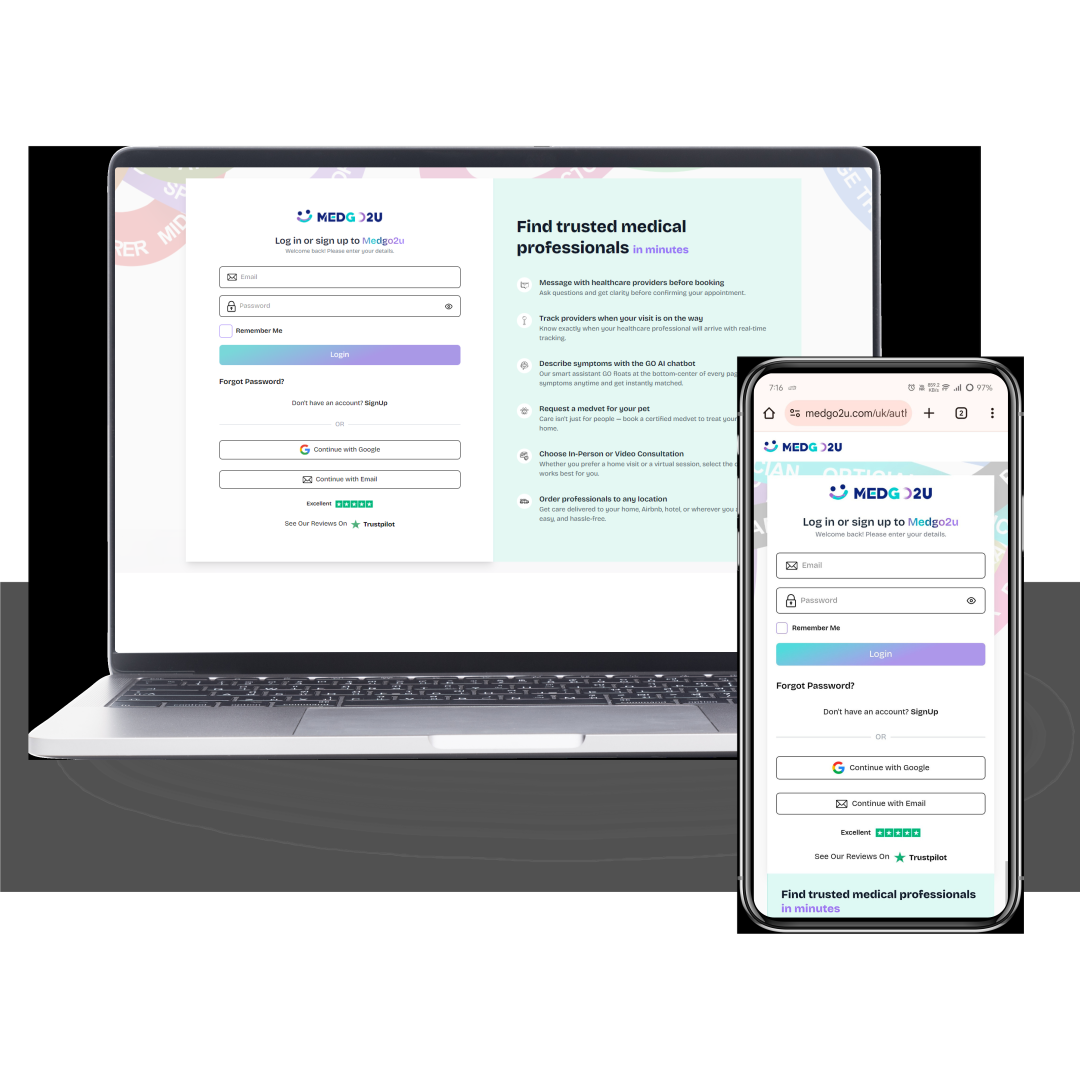
Join the movement for fair and flexible healthcare
WORK WITH MEDGO2U
Are you a qualified occupational therapist looking for flexible work across London or the UK? Join MedGo2U and start providing home visits or online consultations at your convenience.
References
- [1] NHS. Children's Occupational Therapy Services
- [2] Royal College of Occupational Therapists (UK)
- [3] NICE Guidelines – Child Development
About the Reviewer
Jerri De Melverda is a Band 7 Occupational Therapist working for a private healthcare company. Her expertise lies in assessing home environments and recommending the right equipment to support client safety and independence. She carries out thorough home assessments, identifying hazards and selecting suitable solutions such as hoists, commodes and grab rails. Jerri focuses on creating a safe, functional living space tailored to each person's needs, helping them carry out daily activities with confidence and maximised independence.
Medical Disclaimer
This content is for educational purposes only and should not replace professional medical advice. Always consult a qualified healthcare provider for diagnosis and treatment.
Last medically reviewed on: Feb 04, 2026
Follow us to hear more



Ionela Marinau
Feb 04, 2026 • 13 minutes read