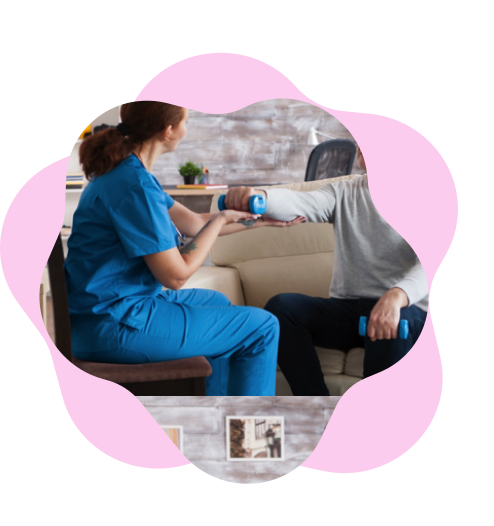
Home physiotherapy brings expert rehabilitation care directly to your doorstep, helping patients recover faster with personalised treatment plans designed around their daily routine and environment. Whether recovering from surgery, managing chronic pain or working to improve mobility, receiving physiotherapy at home offers convenience, comfort and results that match or exceed traditional clinic visits.
By: MedGo2U Editorial Team
Medically Reviewed by: Ken Hong
Reviewed on: Nov 24, 2025
Date Published: Nov 24, 2025
Date Modified: Nov 24, 2025
What is Physiotherapy at Home?
Physiotherapy at home or mobile physiotherapy brings professional, clinic-level rehabilitation services directly to your home. Instead of traveling, a qualified physiotherapist visits you, providing hands-on treatment, exercise guidance and functional assessments in your natural environment.
This model is especially beneficial for individuals with limited mobility, post-surgery patients or those with chronic conditions who find travel difficult or tiring (Active Plus, 2025). The core goal remains the same as in a clinic: to restore movement, reduce pain and regain physical independence, but the approach is uniquely tailored to your home setting.
Who Can Benefit from Home Physiotherapy?
While anyone can choose the convenience of home visits, this service is critical for specific patient groups who face significant barriers to accessing traditional clinic care.
- •Post-Surgery Patients: Those recovering from joint replacements, cardiac procedures, or major operations. Early mobilization at home reduces the risk of complications like blood clots and hospital re-admissions (Painflame, 2025).
- •Elderly Patients: Seniors with mobility issues, a high risk of falls or neurological conditions (like Parkinson's or stroke) benefit immensely from the comfort and safety of a familiar environment (Complete Physio, 2025).
- •Patients with Chronic Conditions: Individuals managing long-term pain, arthritis, multiple sclerosis, or conditions that make movement and travel unpredictable.
- •Individuals with Mobility Barriers: Anyone recovering from a severe injury, using assistive devices (crutches, wheelchairs), or lacking reliable transport.
- •Time-Conscious Individuals: Those with busy schedules or caregiving responsibilities who cannot easily commit to travel and clinic wait times.
Why Choose Home Physiotherapy? The Core Advantages
The benefits of in-home care go far beyond simple convenience. They directly impact the quality and speed of your recovery.
Highly Personalized and Functional Care
A physiotherapist can design an exercise program at your home, based on your actual daily challenges. They observe you navigating your stairs, getting in and out of your chair, and moving through your hallways. This allows for treatment that is immediately functional and relevant to your everyday life, leading to faster, more practical improvements (Complete Physio, 2025).
Improved Comfort and Treatment Adherence
Patients are more likely to stick to their rehabilitation program when they feel safe and comfortable. Healing in a familiar environment reduces stress and anxiety often associated with medical settings. Research suggests that greater adherence to a prescribed program in a home setting leads to better outcomes (Complete Physio, 2025).
Inclusion of Family and Caregivers
Home sessions make it easy for family members or caregivers to be actively involved. They can observe the exercises, learn proper techniques, and understand how to provide support between sessions. This collaborative approach creates a stronger support system, which is vital for long-term recovery success (Active Plus, 2025).
4 Easy At-Home Physio Exercises for Recovery
Always consult your physiotherapist before beginning any new exercise.
Ankle Pumps (Circulation & Swelling): While sitting or lying down, slowly point your toes away from you, then pull your toes back toward your head. Perform 10 repetitions every hour. This simple exercise is crucial for preventing blood clots, especially post-surgery.
Seated Marching (Core Activation & Mobility): Sit upright in a sturdy, armless chair. Alternate lifting your knees up toward the ceiling without leaning back. Start with 10 lifts on each side. This strengthens hip flexors and improves walking mechanics.
Wall Push-Ups (Upper Body Strength): Stand facing a wall, about arm's length away. Place your hands flat on the wall, shoulder-width apart. Slowly bend your elbows to bring your chest closer to the wall, then push back until your arms are straight. Aim for 10 repetitions.
Towel Slides (Shoulder Range of Motion): Sit at a table. Place a towel under the hand of the affected arm. Slide the towel straight forward as far as comfortable, keeping your arm relaxed, then pull it back. This promotes gentle, controlled movement for shoulder injuries or post-op recovery.
Safety & Tips
To maximise the effectiveness and safety of your home physiotherapy:
- •Create a Clear Space: Ensure your treatment area is free from clutter, electrical cords and slippery rugs.
- •Wear Appropriate Clothing: Loose, comfortable clothing allows the therapist to assess your movement and access the area being treated.
- •Communicate Pain: Never push through sharp pain. Physiotherapy should challenge you, but report any pain levels over a mild ache to your therapist immediately.
- •Consistency is Key: Your recovery is determined by what you do between sessions. Stick to the home exercise plan your physiotherapist prescribes.
Conclusion
Home physiotherapy is a powerful, flexible, and often essential option for a seamless recovery journey. By providing expert, one-on-one care in your most comfortable and relevant environment, it removes the barriers of travel, promotes better consistency, and accelerates your return to full function. For individuals recovering from surgery, managing chronic pain or supporting elderly relatives, home-based care offers the convenience and personalization needed for the best possible outcomes.
We encourage you to seek out qualified, registered physiotherapists for professional home care or video sessions to start their personalised recovery plan today.
If you're looking for a physiotherapist in London, book an appointment with Parth V., a verified HCPC-registered physiotherapist offering home and video consultations across the city.
Frequently Asked Questions
Q1. Is home physiotherapy as effective as clinic physiotherapy?
Yes, for many conditions, home physiotherapy is equally, if not more, effective. While clinics offer access to large, specialised equipment, the personalised, functional focus of home care, training you in your actual environment, often leads to faster, more practical improvements in daily living and movement (Rehaab Roots, 2025).
Q2. How much does a home visit physiotherapist cost?
The cost of a private physiotherapist home visit in the UK varies widely, usually including a travel charge. Prices depend on the therapist's experience, specialization, and travel distance.
Q3. Can physiotherapists treat post-surgery patients at home?
Absolutely. Post-operative rehabilitation is one of the most common and critical uses for home physiotherapy. Therapists provide essential early mobilization, manage pain and swelling and progress exercises safely, which is particularly beneficial when a patient has limited mobility immediately after a procedure (Painflame, 2025).
Q4. What qualifications should a physiotherapist have?
A physiotherapist in the UK must be registered with the Health and Care Professions Council (HCPC) to practice legally (GOV.UK, 2025). They typically hold a degree (BSc, MSc or DPT) in Physiotherapy and are often members of the Chartered Society of Physiotherapy (MCSP).
Q5. Are home physiotherapy sessions covered by insurance?
Many private health insurance policies in the UK include coverage for physiotherapy. However, coverage for home visits specifically can vary. You should check with your provider to confirm your outpatient benefit limits, if a GP referral is required and if your chosen physiotherapist is an approved provider (Clarity Health Insurance, 2025).
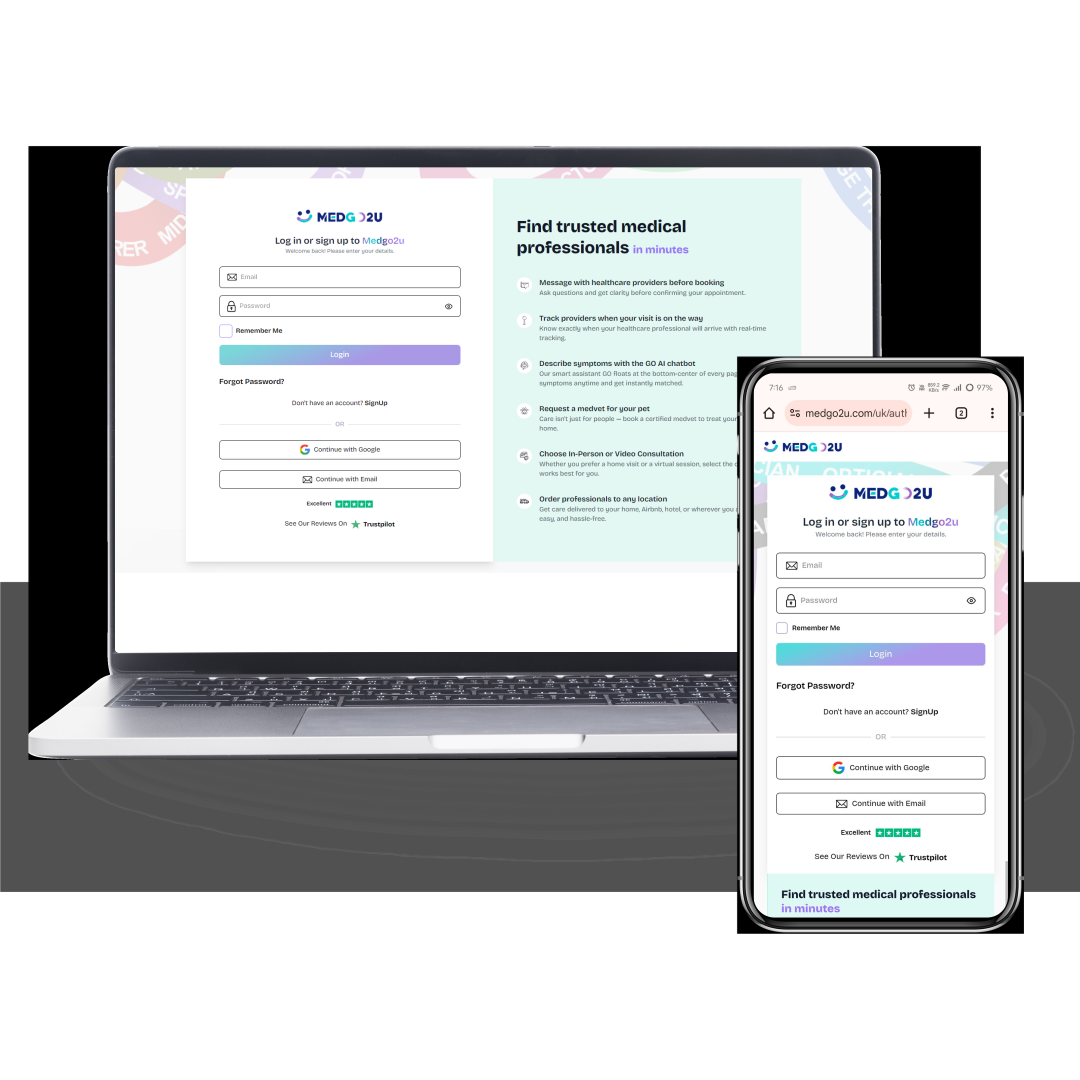
Join the movement for fair and flexible healthcare
WORK WITH MEDGO2U
Are you a qualified HCPC-registered physiotherapist looking for flexible work across London or the UK? Join MedGo2U and start providing home visits or online consultations at your convenience.
References
- Active Plus. 6 Benefits of In-Home Physiotherapy. (2025).
- Complete Physio. Home Visit Physiotherapy vs. Clinic Based Treatment. (2025).
- GOV.UK. Register as a physiotherapist. (2025).
- Painflame Clinic. Home Physiotherapy for Post-Surgery Patients: Your Successful Path to Recovery. (2025).
- Rehaab Roots. Physiotherapy Clinic vs Home Therapy: Which Is Better for You? (2025).
- Clarity Health Insurance. Physiotherapy Cover. (2025).
About the Reviewer
Ken Hong is a Band 6 Physiotherapist working within the Manchester NHS across both ward and community settings. He holds a BSc in Sport and Exercise Science and an MSc in Physiotherapy (Pre-registration) from the University of Birmingham. Ken has strong clinical experience in assessing, diagnosing and treating a wide range of musculoskeletal and post-operative conditions. His background in exercise science enhances his ability to design effective, evidence-based rehabilitation programmes that improve mobility, strength and overall recovery.
Medical Disclaimer
This content is for educational purposes and not a substitute for professional medical advice.
Last medically reviewed on: Nov 24, 2025
Follow us to hear more




Written by Ionela Marinau
Oct 15, 2025 • 8 minutes read