Living with a chronic condition like arthritis, diabetes or COPD often means navigating a complex landscape of pain, fatigue, and limited mobility. While medication helps manage the disease itself, physiotherapy offers a powerful, drug-free path to reclaim your daily function, improve your independence, and significantly enhance your quality of life. By focusing on tailored exercise, movement, and education, physiotherapy helps you manage symptoms and build a resilient body for the long term.
By: MedGo2U Editorial Team
Medically Reviewed by: Ken Hong
Reviewed on: Dec 15, 2025
Date Published: Dec 15, 2025
Date Modified: Dec 15, 2025
Why Physiotherapy Matters in Chronic Disease Care
A chronic condition is defined as a health problem that persists for a year or more, often requiring ongoing medical attention and limiting a person's activities of daily living. Physiotherapy is essential for managing these long-term illnesses, moving beyond just pain relief to address the physical consequences of the condition.
Physiotherapists, who are experts in movement and function, create personalized treatment plans that empower patients to take an active role in their care (CPA, 2012). This approach is not a temporary fix but a strategy for long-term self-management, focusing on strength, flexibility, and overall endurance.
How Physiotherapy Helps Specific Chronic Conditions
The benefits of physiotherapy are tailored to address the unique challenges of different long-term illnesses.
1. Arthritis (Osteoarthritis & Rheumatoid Arthritis)
Arthritis causes joint pain, stiffness, and inflammation. Physiotherapy plays a critical role by:
- Improving Joint Mobility: Gentle, controlled range-of-motion exercises help preserve movement in affected joints and reduce stiffness.
- Strengthening Supporting Muscles: Targeted strengthening exercises reduce the mechanical load on painful joints, offering natural protection and support.
- Pain Management: Techniques like manual therapy, heat/cold therapy, and therapeutic modalities can help alleviate discomfort (APTA).
2. Chronic Obstructive Pulmonary Disease (COPD)
COPD severely limits airflow, causing shortness of breath (dyspnea). Physiotherapy, as part of a Pulmonary Rehabilitation program, focuses on:
- Breathing Retraining: Teaching techniques like pursed-lip breathing to improve oxygen exchange and reduce breathlessness.
- Aerobic Conditioning: Graded exercise programs, like walking or cycling, to safely increase endurance and reduce the feeling of fatigue and shortness of breath during daily tasks (Rapid Physiocare).
- Energy Conservation: Education on performing activities in a less strenuous way to manage energy levels throughout the day.
3. Diabetes Mellitus (Type 2)
For individuals with Type 2 Diabetes, regular physical activity is a core component of management. Physiotherapists guide patients to:
- Improve Insulin Sensitivity: Structured exercise programs, particularly resistance training and aerobic activity, help the body use insulin more effectively, contributing to better blood sugar control (OBrien Physical Therapy).
- Prevent Complications: Exercises to maintain good circulation, as well as education on foot care and balance, are vital in preventing diabetes-related issues like peripheral neuropathy and ulcers (NHS).
The Core Techniques: Your Path to Lasting Relief
Physiotherapy for chronic conditions uses a multidisciplinary approach, focusing on empowering you with skills, not just treating symptoms.
| Technique | Description | Key Benefit for Chronic Conditions |
|---|---|---|
| Therapeutic Exercise | Tailored routines (aerobic, strengthening, flexibility) designed to meet individual capabilities and goals. | Improves cardiovascular fitness, builds muscle strength, and reduces disability (NIH, 2025). |
| Pain Education | Understanding that pain is a complex brain and nervous system response, not always directly linked to tissue damage. | Helps shift focus from 'hurt' to 'function', reducing fear-avoidance behaviour and improving self-efficacy (NICE Guidelines). |
| Manual Therapy | Hands-on techniques like soft tissue massage, joint mobilisation, and manipulation performed by the physiotherapist. | Temporarily reduces muscle tension, improves joint range of motion, and provides short-term pain relief (NHS). |
| Self-Management Strategies | Advice on pacing activities, setting realistic goals, and developing flare-up management plans. | Increases independence, reduces reliance on healthcare services, and improves overall confidence in managing the condition (CSP). |
4 Simple At-Home Physio Exercises for Daily Living
Always consult your physiotherapist before starting any new exercise program. These examples are for illustrative purposes and should be adapted based on your pain level and current ability.
1. Gentle Range-of-Motion (ROM) Exercises (for Arthritis)
Knee Slides: While lying on your back, slowly slide your heel up the bed towards your bottom, keeping your heel in contact with the surface. Slide it back down.
Goal: Improve flexibility and reduce morning stiffness in the knee.
Reps: 10 repetitions, 2 times daily.
2. Pursed-Lip Breathing (for COPD/Respiratory Issues)
Technique: Breathe in slowly through your nose for a count of two. Pucker your lips as if you were going to whistle. Breathe out slowly and gently through your pursed lips for a count of four.
Goal: Slow breathing, keep airways open longer, and improve oxygen exchange.
Reps: Practice for 5-10 minutes, several times a day, especially during periods of mild breathlessness.
3. Wall Push-ups (for General Strength & Function)
Technique: Stand a few feet from a wall, placing your palms flat against it, slightly wider than your shoulders. Slowly bend your elbows to bring your chest towards the wall, keeping your body straight. Push back to the start.
Goal: Build upper body strength safely without loading the joints heavily.
Reps: 3 sets of 8-12 repetitions.
4. Heel-to-Toe Walk (for Balance & Stability)
Technique: Walk heel-to-toe, placing the heel of your front foot immediately in front of the toes of your back foot. Do this near a counter or wall for support.
Goal: Improve balance, coordination, and reduce fall risk, which is critical in conditions like diabetes (NHS).
Duration: Practice for 30-60 seconds.
Safety & Tips for Long-Term Success
Managing a chronic condition with physiotherapy is a marathon, not a sprint. Consistency and communication are key.
Listen to Your Body (Pacing)
It is crucial to distinguish between 'good pain' and 'bad pain'. You must learn to pace your activities, resting before you reach exhaustion, not after. This is vital for managing chronic fatigue (CSP, 2023).
Stay Active, Even on Bad Days
On days when your symptoms flare up, slightly reduce the intensity or duration of your exercise, but try not to stop completely. Staying completely sedentary can worsen stiffness and deconditioning (APTA).
Communicate Everything
Tell your physiotherapist about all your symptoms, medication changes, and emotional stress. Chronic pain is influenced by biological, psychological, and social factors. A biopsychosocial model and a holistic approach yields the best results (CSP, 2023).
Research shows that physiotherapy interventions, including exercise prescription and self-management support, are highly effective in the prevention and management of chronic conditions, leading to decreased pain and increased health-related quality of life (CPA, 2012).
Conclusion
Physiotherapy is an indispensable part of managing chronic conditions, offering a structured, evidence-based pathway to better daily living. By focusing on tailored exercise, breathing techniques, and vital self-management education, it empowers you to reduce pain, increase mobility, and achieve a greater sense of control over your health. This proactive approach helps you move better, breathe easier, and continue doing the things you love, long into the future.
If you're looking for a physiotherapist in London, book an appointment with Parth V., a verified HCPC-registered physiotherapist offering home and video consultations across the city.
Frequently Asked Questions
Is exercise safe for me if I have a chronic condition like arthritis or COPD?
Yes, with a tailored plan. Exercise is one of the most effective treatments for many chronic conditions. A physiotherapist will assess your condition, pain level, and current fitness to design a safe, graded program that is adapted to your body, ensuring the benefits of increased strength and function outweigh any temporary discomfort.
How often will I need physiotherapy for a chronic condition?
This varies greatly. Initially, sessions may be 1-3 times per week for a period of 4-12 weeks to establish a program and provide hands-on treatment. The long-term goal is to transition to a self-management program where you perform your exercises independently, with occasional 'booster' sessions or annual reviews with your physiotherapist.
Can physiotherapy help reduce my reliance on pain medication?
For many individuals, yes. Physiotherapy is a non-pharmacological approach that targets the root causes of pain, such as muscle weakness, poor movement patterns, and joint stiffness. By improving function and reducing mechanical stress, it can lead to a significant decrease in pain levels, often reducing the need for daily medication over time.
Does physiotherapy only involve exercise?
No, physiotherapy for chronic conditions is holistic. While exercise is a core component, it also includes hands-on techniques (manual therapy), education about pain and your condition, breathing retraining, posture correction, and advice on lifestyle modifications (like pacing and goal setting).
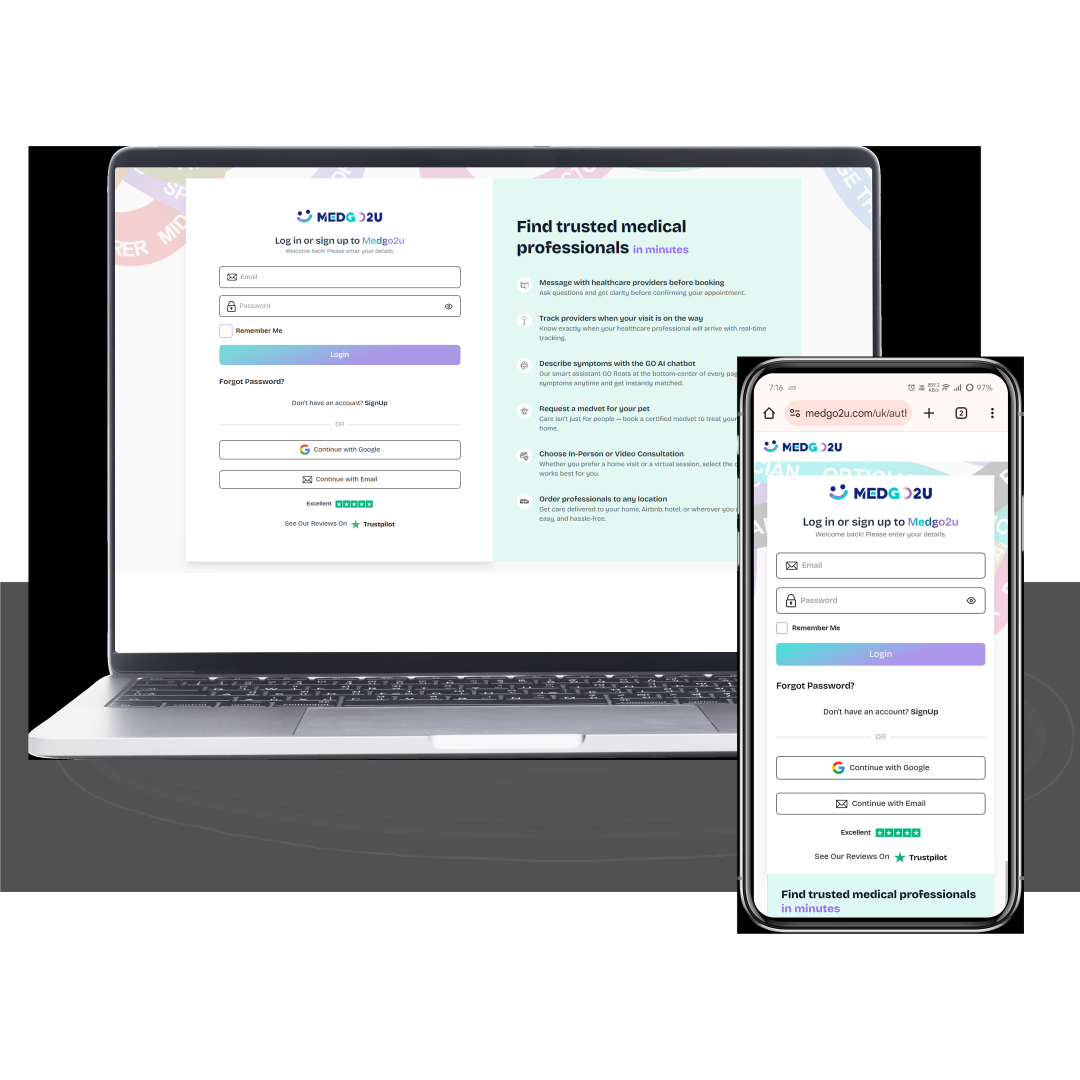
Join the movement for fair and flexible healthcare
WORK WITH MEDGO2U
Are you a qualified HCPC-registered physiotherapist looking for flexible work across London or the UK? Join MedGo2U and start providing home visits or online consultations at your convenience.
References
- American Physical Therapy Association (APTA). The Benefits of Physical Therapy for Chronic Disease Management.
- Canadian Physiotherapy Association (CPA). (2012). The Value of Physiotherapy: Chronic Disease.
- Chartered Society of Physiotherapy (CSP). (2023). Chronic Pain: How a Physiotherapist Can Help.
- National Institute for Health and Care Excellence (NICE). (2021). Chronic pain (primary and secondary) in over 16s: assessment of all chronic pain and management of chronic primary pain.
- NHS. Physiotherapy: Overview.
- OBrien Physical Therapy. Physical Therapy Use in Chronic Disease Management: A Data Overview. (2025).
- Rapid Physiocare. The Role of Physiotherapy in Chronic Disease Management.
About the Reviewer
Ken Hong is a Band 6 Physiotherapist working within the Manchester NHS across both ward and community settings. He holds a BSc in Sport and Exercise Science and an MSc in Physiotherapy (Pre-registration) from the University of Birmingham. Ken has strong clinical experience in assessing, diagnosing and treating a wide range of musculoskeletal and post-operative conditions. His background in exercise science enhances his ability to design effective, evidence-based rehabilitation programmes that improve mobility, strength and overall recovery.
Medical Disclaimer
This content is for educational purposes and not a substitute for professional medical advice.
Last medically reviewed on: Dec 15, 2025
Follow us to hear more



Ionela Marinau
Dec 15, 2025 • 12 minutes read