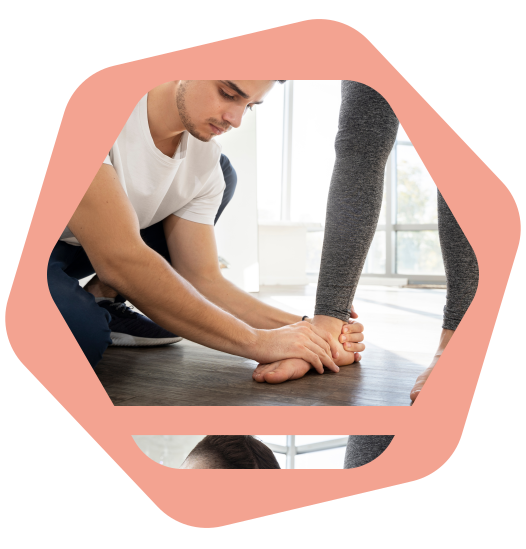
Plantar fasciitis is one of the most common causes of heel pain, affecting runners, people who stand for long hours, older adults, and individuals with foot mechanics issues. The pain often feels sharp or stabbing, especially with the first steps in the morning or after long periods of rest.
While rest and footwear changes can help, targeted plantar fasciitis relief exercises play a crucial role in reducing pain, restoring mobility, and preventing recurrence. This guide explains why exercise matters, which movements are most effective, and how physiotherapy supports long-term recovery.
By: MedGo2U Editorial Team
Medically Reviewed by: Mohammed R.
Reviewed on: Jan 24, 2026
Date Published: Jan 24, 2026
Date Modified: Jan 24, 2026
What Is Plantar Fasciitis?
Plantar fasciitis occurs when the plantar fascia, a thick band of connective tissue running from the heel bone to the toes, becomes irritated or overloaded. This tissue supports the arch of the foot and absorbs shock during walking and running. Repeated stress can cause micro-tears, leading to inflammation, pain, and stiffness.
Common Symptoms of Plantar Fasciitis
- Sharp heel pain, especially in the morning
- Pain after prolonged standing or walking
- Tenderness at the bottom of the heel
- Pain that improves with movement but worsens later
- Tightness in the calves or Achilles tendon
Why Exercises Matter for Plantar Fasciitis Relief
Exercises help by:
- Reducing tension in the plantar fascia
- Improving calf and foot flexibility
- Strengthening intrinsic foot muscles
- Enhancing shock absorption
- Supporting arch stability
Research shows that structured stretching and strengthening exercises can significantly reduce plantar fasciitis pain and improve function.
When to Start Plantar Fasciitis Exercises
Most people can begin gentle exercises once acute pain settles. Exercises should be pain-free or low discomfort, gradually progressed, and performed consistently. A physiotherapist or podiatrist can tailor exercises to your condition and activity level.
Plantar Fasciitis Relief Exercises: Stretching
1. Plantar Fascia Stretch
How to do it: Sit down and cross one leg over the other, then pull your toes back towards your shin and hold for 20 to 30 seconds.
Benefits: Reduces tension in the plantar fascia and helps before first steps in the morning.
2. Calf Stretch (Gastrocnemius)
How to do it: Stand facing a wall, keep the back leg straight and heel on the floor, then lean forward gently.
Benefits: Improves ankle flexibility and reduces heel stress.
3. Soleus Stretch
How to do it: Repeat the wall stretch with the back knee slightly bent while keeping the heel grounded.
Benefits: Targets deeper calf muscles linked to plantar fascia load.
4. Towel Stretch
How to do it: Sit with legs extended, loop a towel around the foot, and pull gently towards you.
Benefits: Improves flexibility when weight-bearing stretches are painful.
Plantar Fasciitis Relief Exercises: Strengthening
5. Toe Curls
How to do it: Place a towel on the floor and curl your toes to scrunch the towel.
Benefits: Strengthens intrinsic foot muscles that support the arch.
6. Marble Pick-Ups
How to do it: Pick up small objects with your toes.
Benefits: Improves foot control and stability.
7. Heel Raises
How to do it: Stand and lift your heels off the floor, then lower down slowly.
Benefits: Strengthens calves and improves load tolerance.
8. Single-Leg Heel Raises
Progress from double-leg to single-leg heel raises to improve strength and balance.
Plantar Fasciitis Relief Exercises: Mobility and Massage
9. Frozen Bottle Roll
How to do it: Roll the foot over a frozen bottle for 5 to 10 minutes.
Benefits: Helps reduce pain and local inflammation.
10. Ball Roll Massage
How to do it: Roll a tennis or massage ball under the foot.
Benefits: Improves tissue mobility and reduces stiffness.
Balance and Functional Exercises
11. Single-Leg Balance
Stand on one foot and progress by closing your eyes or using an unstable surface.
Improves foot stability and lowers reinjury risk.
12. Step-Down Control
Slowly lower one foot from a step to improve lower-limb control during walking.
How Often Should You Do These Exercises?
- Stretching: daily, two to three times
- Strengthening: three to four times per week
- Balance work: three times per week
Consistency matters more than intensity.
Exercises to Avoid During Acute Pain
- High-impact running
- Jumping exercises
- Barefoot walking on hard surfaces
- Sudden increases in activity
Footwear and Exercise Go Hand in Hand
Supportive shoes with good arch support, a cushioned heel, and a firm heel counter enhance the benefits of exercise.
When Exercises Alone Are Not Enough
Seek professional help if:
- Pain lasts longer than 6 to 8 weeks
- Pain worsens despite exercises
- Walking becomes difficult
- Pain affects sleep or daily activities
Physiotherapy and Podiatry for Plantar Fasciitis
A physiotherapist or podiatrist may provide:
- Gait analysis
- Manual therapy
- Shockwave therapy
- Custom orthotics
- Progressive exercise plans
Home-Based Care with MedGo2U
MedGo2U allows patients to access:
- Home physiotherapy
- Virtual exercise guidance
- Personalised recovery plans
This is ideal for busy schedules or mobility limitations.
Conclusion
Plantar fasciitis relief exercises are a proven and effective way to reduce heel pain, restore mobility, and prevent recurrence. When combined with professional guidance, supportive footwear, and consistent practice, most people experience significant improvement and return to pain-free activity.
If you're looking for a podiatrist in Sutton, book an appointment with Mohammed R., a verified HCPC-registered podiatrist offering home and video consultations across the city.
Frequently Asked Questions
How long does plantar fasciitis take to heal?
Most cases improve within 6 to 12 weeks with proper care.
Should I exercise through pain?
Mild discomfort is acceptable, but sharp pain is not.
Are morning stretches important?
Yes, they help reduce first-step heel pain.
Can plantar fasciitis return?
Yes, recurrence is possible without ongoing strengthening and supportive footwear.
Join the movement for fair and flexible healthcare
WORK WITH MEDGO2U
Are you a qualified HCPC-registered podiatrist looking for flexible work across the UK? Join MedGo2U and start providing home visits or online consultations at your convenience.
References
- NHS. Heel Pain and Plantar Fasciitis
- Riddle DL et al. Journal of Orthopaedic and Sports Physical Therapy, 2022
- British Journal of Sports Medicine
About the Reviewer
Mohammed R. is a Specialist Podiatrist with seven years of clinical and domiciliary experience within the NHS. He manages a wide range of foot health needs, including nail pathology, callus and corn care, wound debridement, ulcer offloading, and insole guidance. Known for his organised, empathetic, and patient-focused approach, he consistently delivers effective care even in high-pressure environments.
Medical Disclaimer
This content is for educational purposes only and does not replace professional medical advice. Always consult a qualified healthcare professional before starting any exercise programme.
Last medically reviewed on: Jan 24, 2026
Follow us to hear more



Ionela Marinau
Jan 24, 2026 • 11 minutes read