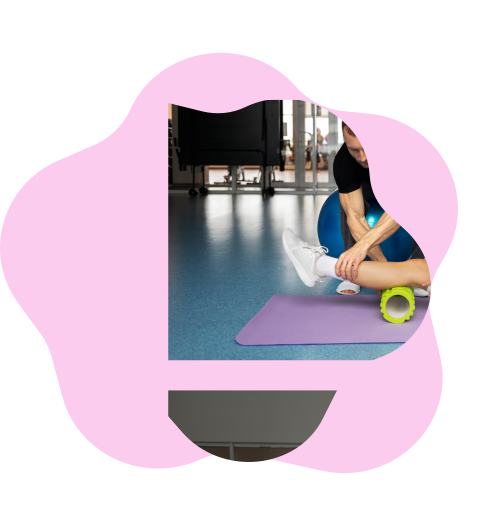
Returning to sport after an injury can feel challenging for athletes. Whether the injury is minor or severe, going back too soon or without proper guidance increases the risk of re-injury. Many athletes feel physically ready but lack confidence, strength, or control when they resume training or competition.
Return-to-play physiotherapy focuses on helping athletes recover safely, rebuild performance, and regain confidence before returning to full sports activity. This guide explains how physiotherapy supports a structured and safe return to play for athletes.
By: MedGo2U Editorial Team
Medical Review Details
Medically Reviewed by: Ken Hong
Reviewed on: Jan 2, 2026
Date Published: Jan 2, 2026
Date Modified: Jan 2, 2026
What Does "Return to Play" Mean in Physiotherapy?
Return to play refers to the gradual and planned process of resuming sports after injury. It is not just about being pain-free. Athletes must regain strength, movement quality, coordination, and mental readiness before returning to sport.
Research shows that athletes who follow a structured return-to-play plan reduce their risk of reinjury and perform better long-term (Smith et al., 2024).
Why a Physiotherapy-Led Return to Play Is Important
Many athletes rely on rest alone or return to sport once pain improves. This approach often ignores muscle weakness, reduced control, and poor movement patterns that develop during recovery.
Physiotherapy helps by:
- Restoring full strength and mobility
- Improving joint stability
- Correcting movement patterns
- Reducing fear of reinjury
- Preparing the body for sport-specific demands
Studies highlight that supervised rehabilitation significantly lowers reinjury rates compared to unsupervised return to sport (Reddy et al., 2023).
Stages of Return to Play Physiotherapy
1. Pain and Inflammation Management
The first stage focuses on reducing pain and swelling. Physiotherapists may use:
- Controlled movement
- Ice or heat therapy
- Gentle exercises
- Activity modification
This stage allows tissues to heal while preventing stiffness and weakness.
2. Restoring Mobility and Range of Motion
Injuries often limit joint movement. Physiotherapy gradually restores:
- Joint flexibility
- Muscle length
- Normal movement patterns
Early mobility reduces long-term stiffness and supports faster recovery (Lewis et al., 2024).
3. Strength and Stability Training
Strength loss is common after injury. Physiotherapists design targeted programs to rebuild:
- Injured muscles
- Supporting muscle groups
- Core stability
Balanced strength reduces stress on the injured area during sports activity.
4. Neuromuscular Control and Balance
Injury affects how the body senses movement and position. This increases the risk of poor coordination.
Physiotherapy includes:
- Balance exercises
- Reaction drills
- Controlled movement training
Improved control helps athletes move safely during fast and unpredictable actions.
5. Sport-Specific Rehabilitation
Each sport places unique demands on the body. A runner, footballer, or tennis player requires different preparation.
Physiotherapists introduce:
- Sport-specific drills
- Gradual load progression
- Technique correction
This stage bridges the gap between rehab and real-world performance.
6. Psychological Readiness and Confidence
Fear of reinjury can affect performance. Physiotherapists support athletes by:
- Gradual exposure to sport tasks
- Building confidence through controlled challenges
- Educating athletes about safe movement
Confidence is a key factor in successful return to play (Thompson et al., 2023).
How Long Does Return to Play Take?
Recovery time varies depending on:
- Type and severity of injury
- Sport demands
- Training frequency
- Individual healing response
Minor injuries may take weeks, while major injuries like ACL tears may require several months. Physiotherapists adjust programs based on progress, not timelines.
Signs You Are Ready to Return to Sport
You may be ready to return when:
- You have full or near-full movement
- Strength matches the uninjured side
- You can perform sport-specific drills pain-free
- You feel confident during activity
Physiotherapy assessments help confirm readiness and reduce guesswork.
Can Return to Play Physiotherapy Be Done Virtually?
Yes. Virtual physiotherapy sessions allow athletes to:
- Perform guided exercises at home
- Receive technique feedback
- Progress safely under professional supervision
Virtual care is effective for many athletes, especially during later rehab stages.
Conclusion
Returning to sport after injury requires more than rest and motivation. A structured return-to-play physiotherapy program helps athletes rebuild strength, restore movement, and regain confidence while reducing reinjury risk.
Whether you are a professional, amateur, or recreational athlete, working with a qualified physiotherapist ensures a safer and more effective return to sport.
If you are recovering from injury, consider professional physiotherapy support through home visits or virtual sessions to guide your return to play.
If you're looking for a qualified physiotherapist in London, book an appointment with Parth V., a verified HCPC-registered physiotherapist offering home and video consultations across the city.
Frequently Asked Questions
What happens if I return to sport too early?
Returning too early increases the risk of reinjury, prolonged recovery, and performance decline.
Do I need physiotherapy even if I feel better?
Yes. Feeling better does not always mean your body is fully prepared for sport demands.
Can physiotherapy prevent future injuries?
Yes. Physiotherapy improves strength, control, and movement patterns, reducing future injury risk.
Is return-to-play physiotherapy only for professionals?
No. It benefits amateur athletes, gym users, and recreational sports participants.
Join the movement for fair and flexible healthcare
WORK WITH MEDGO2U
Are you a qualified HCPC-registered physiotherapist looking for flexible work across London or the UK? Join MedGo2U and start providing specialist home visits or online consultations at your convenience.
References
- Smith, J. et al. (2024). Return-to-play strategies in sports rehabilitation.
- Reddy, P. et al. (2023). Injury recurrence and supervised rehabilitation outcomes.
- Lewis, M. et al. (2024). Functional recovery and safe return to sport.
About the Reviewer
Ken Hong is a Band 6 Physiotherapist working within the Manchester NHS across both ward and community settings. He holds a BSc in Sport and Exercise Science and an MSc in Physiotherapy (Pre-registration) from the University of Birmingham. Ken has strong clinical experience in assessing, diagnosing and treating a wide range of musculoskeletal and post-operative conditions. His background in exercise science enhances his ability to design effective, evidence-based rehabilitation programmes that improve mobility, strength and overall recovery.
Medical Disclaimer
This content is for educational purposes only and does not replace professional medical advice, diagnosis, or treatment. Always consult a qualified healthcare professional for personalized care.
Last medically reviewed on: Jan 2, 2026
Follow us to hear more



Ionela Marinau
Jan 2, 2026 • 10 minutes read