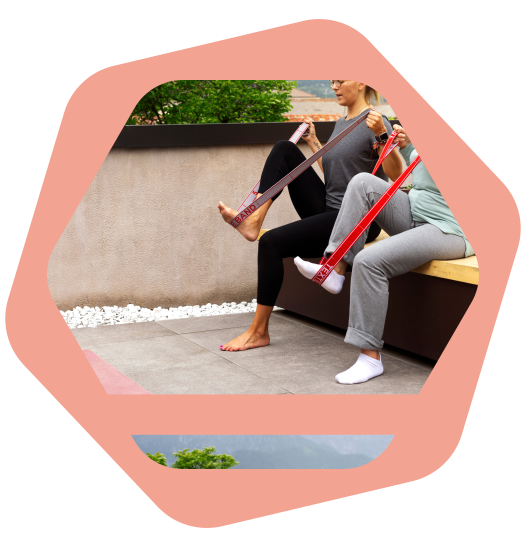
Sports injuries can disrupt training, performance, and daily routines. While rest plays a role in recovery, the right rehabilitation exercises are essential for healing properly and preventing future injuries. Many athletes and active individuals prefer to recover at home, either due to busy schedules or comfort and convenience.
Sports injury rehabilitation exercises at home, when guided by a physiotherapist, can safely restore strength, mobility, and confidence. This blog explains effective home-based rehab exercises, their benefits, and how to perform them safely.
By: MedGo2U Editorial Team
Medical Review Details
Medically Reviewed by: Ken Hong
Reviewed on: Jan 3, 2026
Date Published: Jan 3, 2026
Date Modified: Jan 3, 2026
Why Home-Based Sports Injury Rehabilitation Matters
Rehabilitation does not always require a clinic visit. With proper assessment and guidance, many exercises can be performed safely at home.
Home-based rehab helps:
- Maintain consistency in recovery
- Reduce travel and time barriers
- Encourage daily movement
- Improve adherence to rehab programs
Research shows that structured home exercise programs, when supervised virtually, lead to strong recovery outcomes in athletes (Reddy et al., 2024).
General Principles Before Starting Rehab at Home
Before beginning any sports injury rehab exercises, athletes should keep these principles in mind:
- Follow professional guidance from a physiotherapist
- Avoid pushing through sharp pain
- Focus on controlled, slow movements
- Progress gradually
- Maintain proper posture and technique
Ignoring these principles may delay healing or increase injury risk.
Common Sports Injuries Suitable for Home Rehab
Many mild to moderate injuries respond well to home-based exercises, including:
- Muscle strains
- Ligament sprains
- Tendon irritation
- Overuse injuries
- Post-surgical rehab stages (later phases)
A physiotherapist can help determine which exercises are safe for your specific injury.
Key Categories of Sports Injury Rehab Exercises
1. Mobility and Range of Motion Exercises
After injury, joints and muscles often become stiff. Mobility exercises restore movement and prevent long-term limitations.
Examples include:
- Shoulder pendulum movements
- Ankle circles
- Gentle knee bends
- Hip rotations
Studies show that early controlled movement improves recovery speed and joint health (Lewis et al., 2023).
2. Stretching Exercises
Stretching helps reduce muscle tightness and improve flexibility.
Common stretches include:
- Hamstring stretches
- Calf stretches
- Hip flexor stretches
- Chest and shoulder stretches
Stretching should be gentle and pain-free, especially during early rehab stages.
3. Strengthening Exercises
Strength loss is common after injury. Strengthening exercises rebuild muscle support around injured areas.
Effective home exercises include:
- Bodyweight squats
- Wall push-ups
- Resistance band rows
- Glute bridges
Strengthening improves joint stability and prepares the body for higher activity levels.
4. Balance and Control Exercises
Injuries affect coordination and joint awareness. Balance exercises restore control and reduce reinjury risk.
Examples:
- Single-leg stands
- Heel-to-toe walking
- Balance with resistance bands
Improved balance supports safer movement during sports and daily activities.
5. Core Stability Exercises
The core supports all athletic movements. Weak core muscles increase stress on injured areas.
At-home core exercises include:
- Planks
- Dead bugs
- Pelvic tilts
- Bird-dog exercises
Research links core stability training with improved sports performance and reduced injury risk (Smith et al., 2024).
6. Low-Impact Cardio Exercises
Maintaining fitness during recovery is important. Low-impact cardio options include:
- Walking
- Stationary cycling
- Swimming (if appropriate)
These activities improve circulation and support healing without overloading injured tissues.
Sample Home Rehab Routine (General Example)
A basic routine may include:
- 5–10 minutes of gentle mobility
- Stretching of key muscle groups
- Strength exercises (2–3 sets)
- Balance or control drills
- Cool-down stretching
Physiotherapists customize routines based on injury type and recovery stage.
Common Mistakes to Avoid During Home Rehab
Athletes often make mistakes that slow recovery, such as:
- Skipping exercises
- Doing too much too soon
- Poor exercise technique
- Ignoring pain signals
Consistent, guided progress leads to better long-term outcomes.
Can Sports Injury Rehab Be Done Virtually?
Yes. Virtual physiotherapy sessions allow professionals to:
- Assess movement
- Correct technique
- Adjust exercise difficulty
- Monitor progress
Virtual care makes home rehab safer and more effective.
Conclusion
Sports injury rehab exercises at home can be highly effective when guided by a qualified physiotherapist. Through mobility work, strengthening, balance training, and gradual progression, athletes can recover safely and return to activity with confidence.
If you are recovering from a sports injury, consider professional physiotherapy support through home visits or virtual sessions to ensure proper healing and long-term performance.
If you're looking for a qualified physiotherapist in London, book an appointment with Parth V., a verified HCPC-registered physiotherapist offering home and video consultations across the city.
Frequently Asked Questions
Can I rehab a sports injury without seeing a physiotherapist?
Some exercises can be done at home, but professional guidance ensures safety and effectiveness.
How often should I do rehab exercises?
Most programs recommend daily or alternate-day exercises, depending on injury severity.
Is pain normal during rehab exercises?
Mild discomfort may occur, but sharp or worsening pain should be avoided.
Can home rehab prevent future injuries?
Yes. Proper rehab improves strength, movement, and control, reducing reinjury risk.
Join the movement for fair and flexible healthcare
WORK WITH MEDGO2U
Are you a qualified HCPC-registered physiotherapist looking for flexible work across London or the UK? Join MedGo2U and start providing specialist home visits or online consultations at your convenience.
References
- Reddy, P. et al. (2024). Home-based rehabilitation outcomes in sports injuries.
- Lewis, J. et al. (2023). Movement restoration after sports injury.
- Smith, A. et al. (2024). Strength and balance training in injury prevention.
About the Reviewer
Ken Hong is a Band 6 Physiotherapist working within the Manchester NHS across both ward and community settings. He holds a BSc in Sport and Exercise Science and an MSc in Physiotherapy (Pre-registration) from the University of Birmingham. Ken has strong clinical experience in assessing, diagnosing and treating a wide range of musculoskeletal and post-operative conditions. His background in exercise science enhances his ability to design effective, evidence-based rehabilitation programmes that improve mobility, strength and overall recovery.
Medical Disclaimer
This content is for educational purposes only and does not replace professional medical advice, diagnosis, or treatment. Always consult a qualified healthcare professional for personalized care.
Last medically reviewed on: Jan 3, 2026
Follow us to hear more



Ionela Marinau
Jan 3, 2026 • 9 minutes read