
Occupational therapy (OT) is a client-centred health profession that focuses on enabling people of all ages to achieve health and well-being through participating in the activities of daily life. An occupational therapist helps you overcome physical, mental or social barriers that make it hard to do the things you need, want or are expected to do.
By: MedGo2U Editorial Team
Medical Review Details
Medically Reviewed by: Jerri De Melverda
Reviewed on: Nov 28, 2025
Date Published: Nov 28, 2025
Date Modified: Nov 28, 2025
What Is Occupational Therapy?
In occupational therapy, the term 'occupation' doesn't just mean your job; it refers to any activity that occupies your time and brings meaning to your life (RCOT, 2024). This includes everything from self-care tasks to work, education and leisure.
An occupational therapist (OT) works holistically. They look at the relationship between:
- The Person: Your physical, emotional, and cognitive abilities.
- The Occupation: The task or activity you want to perform (e.g., cooking, driving, getting dressed).
- The Environment: Where the activity takes place (your home, workplace or community).
When an illness, injury or disability creates a barrier between these three factors, the OT steps in to find practical solutions.
Who Can Benefit from Occupational Therapy?
Occupational therapists work with people of all ages who face difficulties completing day-to-day activities due to a wide variety of conditions.
For Adults and Older People
OT is vital for regaining and maintaining independence following significant health events or managing chronic conditions.
- Stroke and Brain Injury: Helping patients relearn motor skills, cognitive strategies (like memory aids) and communication to manage daily life (NHS Inform, 2025).
- Musculoskeletal Conditions: Assisting people with arthritis or chronic pain to modify tasks (e.g., using adapted tools) to protect joints and reduce discomfort.
- Aging and Dementia: Conducting home safety assessments and providing equipment (like grab rails or stairlifts) to allow older people to live safely and independently at home for longer (Cleveland Clinic, 2024).
- Mental Health: Developing structured routines and practical life skills for individuals managing conditions like depression or severe anxiety, promoting community engagement and self-care.
For Children and Young People
For children, 'occupations' often involve play, school and social interaction.
- Developmental Conditions: Supporting children with Autism Spectrum Disorder (ASD) or Dyspraxia (DCD) to improve fine motor skills (e.g., handwriting, tying laces), sensory processing and social interaction skills (OT for Kids, 2024).
How Does an Occupational Therapist Work?
The OT process is highly personalised and involves several key steps to ensure long-term independence:
Assessment
The OT performs a thorough assessment, usually in your own home or environment, to observe you completing the specific activities you find challenging. They don't just ask about the problem; they watch you try to solve it.
Intervention and Adaptation
Based on the assessment, the OT implements practical solutions. This may include:
- Activity Modification: Breaking down a complex task (like making a cup of tea) into smaller, manageable steps.
- Environmental Adjustments: Recommending modifications to your home, such as installing a walk-in shower or rearranging furniture for wheelchair access.
- Assistive Equipment: Prescribing and training you to use equipment like specialised cutlery, dressing aids or memory devices.
Rehabilitation and Skill Building
The OT helps you develop new physical or cognitive skills through goal-oriented exercises and training. This focuses on functional gains that directly translate into improved daily participation.
Research Insight: Studies highlight that person-centred occupational therapy interventions, particularly after a stroke, significantly improve functional independence and reduce the need for long-term care (Stroke OT Journal, 2023).
3 Key Benefits of Choosing Occupational Therapy
Increased Independence
The primary goal is to empower you to do the things you care about on your own terms, reducing reliance on carers or family members.
Enhanced Safety
By modifying your environment and teaching new techniques, OTs drastically reduce the risk of accidents, particularly falls in the home.
Improved Mental Well-being
Regaining the ability to participate in meaningful activities, whether it's gardening or returning to work, restores confidence, self-esteem, and a sense of purpose, combating feelings of helplessness or depression (VIM Health, 2024).
Safety & Access Tips in the UK
HCPC Registration
Always ensure your occupational therapist is registered with the Health and Care Professions Council (HCPC) (HCPC, 2025). This confirms they meet the national standards for training and professional conduct.
Access via NHS or Social Services
You can often access OT free of charge through the NHS (e.g., after a hospital stay or injury) or via a referral from your local council's Social Services for long-term needs, particularly home adaptations (NHS, 2025). Start by speaking to your GP or contacting your local council directly.
Private Care
If you need to skip waiting lists or require a highly specific service, you can pay for private occupational therapy. Always ask about the therapist's experience in your specific condition.
Conclusion
Occupational therapy offers profound value by seeing beyond the diagnosis and focusing entirely on your ability to live a full and independent life. It is the practical bridge between your challenges and your personal goals. By adapting activities, modifying environments and building essential skills, OTs help you reclaim your routine, your confidence and your participation in the world.
Frequently Asked Questions
Q1. Is occupational therapy the same as physiotherapy?
No. Physiotherapy (Physio) focuses primarily on improving physical movement, strength, flexibility and balance to improve the body's physical function. Occupational Therapy (OT) focuses on how you use your physical and cognitive abilities to perform specific daily tasks (occupations) and adapt your environment to those tasks. They often work together, but their goals are distinct.
Q2. Do occupational therapists only work in hospitals?
Absolutely not. While many OTs work in hospitals, their unique skill set means they primarily work in settings that matter to the patient's daily life: in their home, at schools, in social services, in care homes, in community rehabilitation centres, and even in workplaces (UHDB Trust, 2025).
Q3. How long does an occupational therapy program last?
It varies widely depending on your needs. For acute issues (like post-operative care), it might be a few focused sessions. For long-term chronic conditions or major home adaptations, the relationship might be ongoing for months or years to ensure sustained independence and safety as your needs change.
Q4. Does insurance or the NHS cover assistive equipment recommended by an OT?
In the UK, essential equipment and major home adaptations (like stairlifts) might be provided free of charge or subsidised through your local council's Social Services following an OT assessment. However, criteria vary and there may be waiting times or a financial assessment involved. Private OT often involves paying for the equipment yourself.
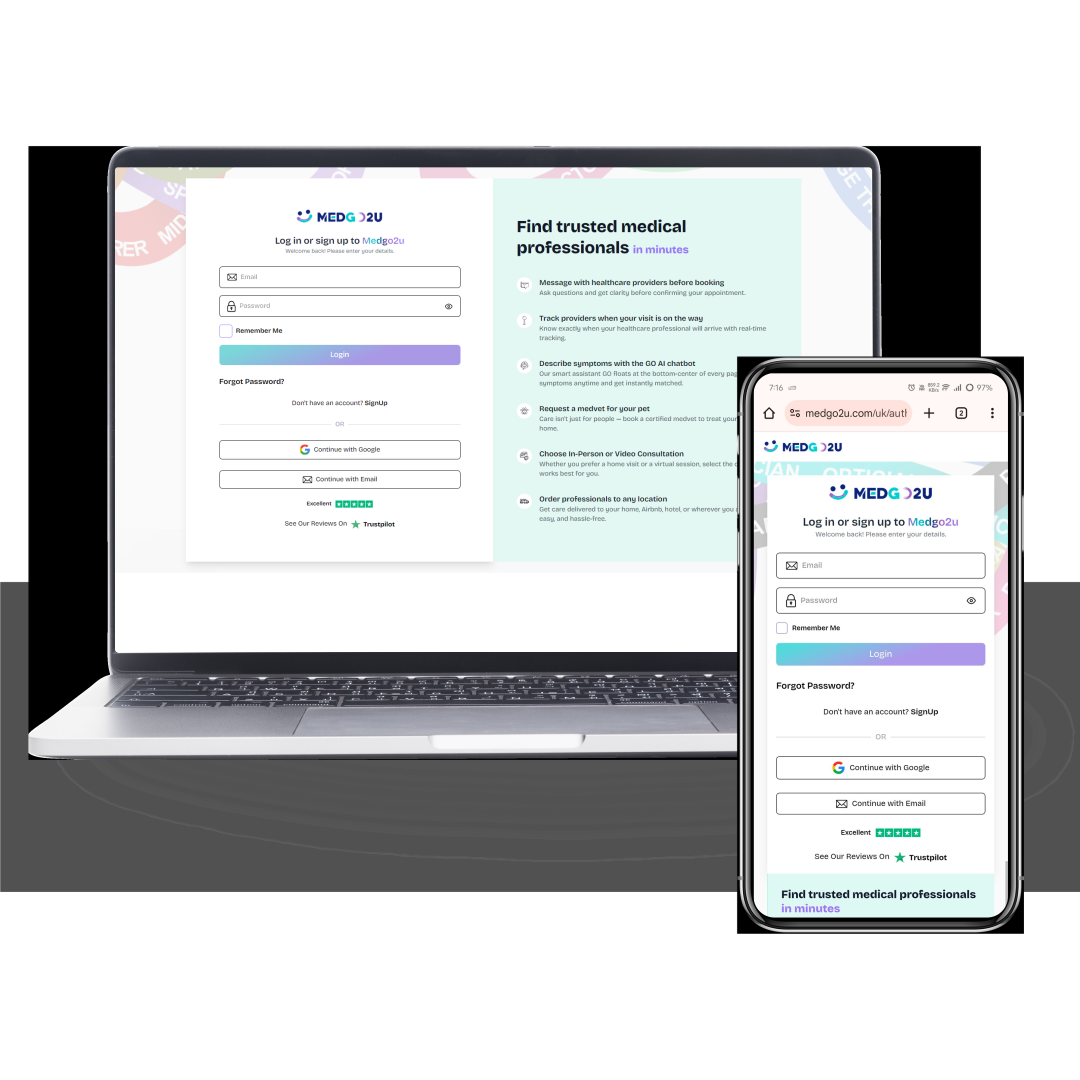
Join the movement for fair and flexible healthcare
WORK WITH MEDGO2U
Are you a qualified occupational therapist looking for flexible work across London or the UK? Join MedGo2U and start providing home visits or online consultations at your convenience.
References
- RCOT. (2024). What is occupational therapy. Royal College of Occupational Therapists.
- NHS Inform. (2025). Occupational therapy: Tests and treatments.
- Cleveland Clinic. (2024). Occupational Therapy: What It Is, Different Types & Benefits.
- OT for Kids. (2024). Conditions: Autistic Spectrum Disorder.
- Stroke OT Journal. (2023). Efficacy of Person-Centred OT in Post-Stroke Rehabilitation. The International Journal of Occupational Therapy, 12(3), 45-60.
- VIM Health. (2024). The Benefits of Occupational Therapy for Body and Mind.
- HCPC. (2025). Check the Register. Health and Care Professions Council.
- NHS. (2025). Occupational therapy: How to get occupational therapy.
- UHDB Trust. (2025). What is an Occupational Therapist?.
About the Reviewer
Jerri De Melverda is a Band 7 Occupational Therapist working for a private healthcare company. Her expertise lies in assessing home environments and recommending the right equipment to support client safety and independence. She carries out thorough home assessments, identifying hazards and selecting suitable solutions such as hoists, commodes and grab rails. Jerri focuses on creating a safe, functional living space tailored to each person's needs, helping them carry out daily activities with confidence and maximised independence.
Medical Disclaimer
This content is for educational purposes and not a substitute for professional medical advice.
Last medically reviewed on: Nov 28, 2025
Follow us to hear more



Ionela Marinau
Nov 28, 2025 • 10 minutes read