
Starting sports physiotherapy for the first time can raise many questions. Athletes and active individuals often wonder what happens during a session, how long it lasts, and whether it will be painful. Understanding what to expect can reduce anxiety and help you get the most out of your treatment.
A sports physiotherapy session focuses on assessing your movement, treating pain or injury, and creating a plan that supports recovery and performance. This blog explains each stage of a sports physiotherapy session so you feel confident and prepared.
By: MedGo2U Editorial Team
Medically Reviewed by: Ken Hong
Reviewed on: Jan 4, 2026
Date Published: Jan 4, 2026
Date Modified: Jan 4, 2026
Why Sports Physiotherapy Is Different
Sports physiotherapy is designed for people who are physically active. It does not only aim to reduce pain but also focuses on movement quality, strength, endurance, and injury prevention.
Research shows that sports-specific rehabilitation improves recovery outcomes and reduces the risk of reinjury compared to general treatment approaches (Lewis et al., 2024).
Before Your Sports Physiotherapy Session
Before your first session, the physiotherapist may ask you to:
- Share details about your injury or pain
- Explain your sport, training routine, and goals
- Describe when symptoms started and what makes them worse
Wearing comfortable clothing that allows easy movement helps the assessment process.
Step 1: Initial Assessment
The session usually begins with a detailed assessment. The physiotherapist will:
- Discuss your medical and injury history
- Observe posture and movement patterns
- Test joint mobility, strength, and flexibility
This assessment helps identify the root cause of the problem rather than just treating symptoms.
Step 2: Movement and Functional Testing
Sports physiotherapists assess how your body moves during activities related to your sport.
This may include:
- Squatting, lunging, or jumping
- Balance and coordination tests
- Sport-specific movements
Functional testing helps tailor treatment to real-life demands.
Step 3: Pain and Injury Treatment
Depending on your condition, treatment may include:
- Manual therapy such as soft tissue work or joint mobilization
- Guided exercises to reduce pain and stiffness
- Education on activity modification
Studies suggest that combining hands-on treatment with active exercises leads to better outcomes (Reddy et al., 2023).
Step 4: Exercise Prescription
Exercise is a key part of sports physiotherapy. Your physiotherapist will guide you through exercises that focus on:
- Strengthening weak muscles
- Improving flexibility
- Enhancing balance and control
You will usually receive exercises to continue at home between sessions.
Step 5: Education and Injury Prevention
Education is an important part of every session. Physiotherapists explain:
- How your injury occurred
- What movements to avoid temporarily
- How to manage training loads safely
Understanding your body helps prevent future injuries.
Step 6: Progression and Goal Setting
Sports physiotherapy is not a one-time session. Progress is monitored over time.
Your physiotherapist will:
- Adjust exercises as you improve
- Introduce sport-specific drills
- Set milestones for return to training or competition
This structured approach supports a safe return to sport.
How Long Is a Sports Physiotherapy Session?
Most sessions last between 45 and 60 minutes. Follow-up sessions may be shorter depending on treatment needs and progress.
Can Sports Physiotherapy Be Done Online?
Yes. Virtual sports physiotherapy sessions allow:
- Movement assessment through video
- Guided exercise programs
- Technique correction and progress tracking
Virtual sessions are effective for many injuries and offer flexibility for busy athletes.
Conclusion
A sports physiotherapy session is structured, personalized, and focused on helping you move better and recover safely. From assessment and hands-on treatment to exercise guidance and education, each session supports long-term performance and injury prevention.
If you are dealing with pain, recovering from injury, or aiming to improve performance, a sports physiotherapy session can provide the guidance you need through in-person or virtual care.
If you're looking for a qualified physiotherapist in London, book an appointment with Parth V., a verified HCPC-registered physiotherapist offering home and video consultations across the city.
Frequently Asked Questions
Is sports physiotherapy painful?
Some techniques may cause mild discomfort, but sessions are designed to be safe and tolerable.
How many sessions will I need?
The number varies depending on the injury, goals, and progress.
Do I need a referral for sports physiotherapy?
In most cases, no referral is required.
Can sports physiotherapy improve performance?
Yes. It improves strength, movement efficiency, and injury resilience.
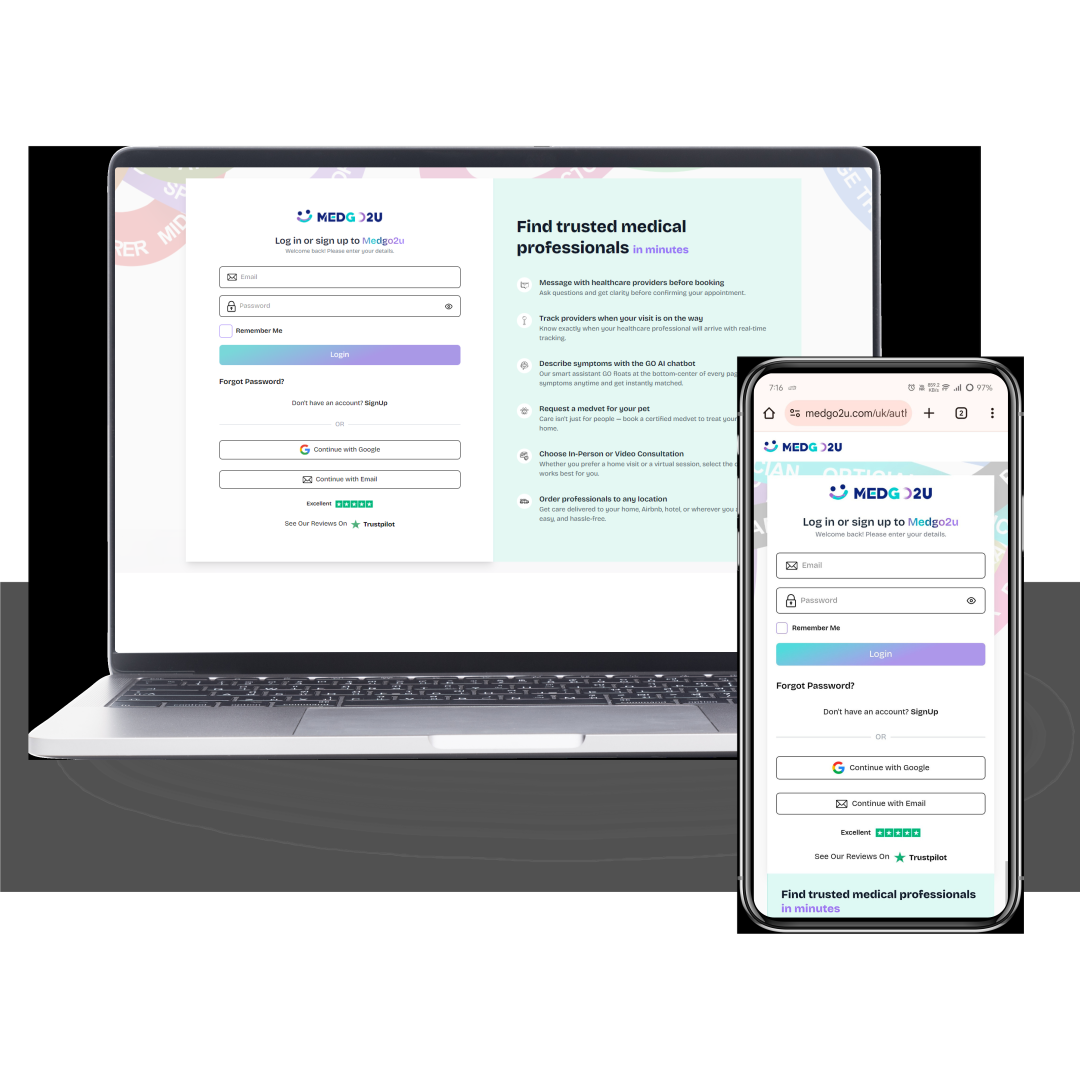
Join the movement for fair and flexible healthcare
WORK WITH MEDGO2U
Are you a qualified HCPC-registered physiotherapist looking for flexible work across London or the UK? Join MedGo2U and start providing specialist home visits or online consultations at your convenience.
References
- Lewis, J. et al. (2024). Sports-specific rehabilitation and recovery outcomes.
- Reddy, P. et al. (2023). Active rehabilitation in sports physiotherapy.
- Smith, A. et al. (2024). Movement assessment in athletic populations.
About the Reviewer
Ken Hong is a Band 6 Physiotherapist working within the Manchester NHS across both ward and community settings. He holds a BSc in Sport and Exercise Science and an MSc in Physiotherapy (Pre-registration) from the University of Birmingham. Ken has strong clinical experience in assessing, diagnosing and treating a wide range of musculoskeletal and post-operative conditions. His background in exercise science enhances his ability to design effective, evidence-based rehabilitation programmes that improve mobility, strength and overall recovery.
Medical Disclaimer
This content is for educational purposes only and does not replace professional medical advice. Always consult a qualified healthcare professional for diagnosis and treatment.
Last medically reviewed on: Jan 4, 2026
Follow us to hear more



Ionela Marinau
Jan 4, 2026 • 8 minutes read