
Starting occupational therapy can feel unfamiliar, especially if you are unsure what the appointment involves or how it will help you. Whether you have been referred after an injury, illness, neurological condition, developmental concern, or age-related difficulty, your first occupational therapy appointment is an important step toward improving independence and daily function.
Occupational therapy focuses on helping people participate in everyday activities, from dressing and cooking to working, learning, and social engagement. Your first session is designed to understand your needs, challenges, goals, and lifestyle so therapy can be personalised and effective.
This comprehensive guide explains what to expect in your first occupational therapy appointment, how to prepare, what assessments may be used, and how therapy plans are created.
By: MedGo2U Editorial Team
Medical Review Details
Medically Reviewed by: Jerri De Melverda
Reviewed on: Apr 22, 2026
Date Published: Apr 22, 2026
Date Modified: Apr 22, 2026
What Is Occupational Therapy?
Occupational therapy (OT) supports individuals in performing meaningful daily activities, also known as “occupations.” These activities include:
- Self-care (dressing, bathing, eating)
- Home management (cooking, cleaning)
- Work and education tasks
- Leisure and social participation
- Mobility and community access
Occupational therapists focus on function, independence, safety, and quality of life rather than just treating symptoms.
Why You May Be Referred to Occupational Therapy
People attend occupational therapy for many reasons, including:
- Stroke or brain injury
- Neurological conditions (Parkinson's disease, MS)
- Developmental delays
- Autism spectrum disorder
- Learning or sensory difficulties
- Arthritis or chronic pain
- Mental health challenges
- Age-related functional decline
- Recovery after surgery or injury
Your first appointment helps clarify how therapy can support your specific situation.
Preparing for Your First Occupational Therapy Appointment
What to Bring
- Referral letter (if applicable)
- Medical reports or discharge summaries
- Medication list
- Assistive devices you currently use
- Comfortable clothing
What to Think About Beforehand
- Daily tasks you find difficult
- Your personal goals
- Activities that matter most to you
- Any concerns or questions
Preparation helps make the appointment more productive.
What Happens During the First Occupational Therapy Appointment?
1. Introduction and Rapport Building
Your therapist will begin by introducing themselves and explaining their role. The first appointment is relaxed and conversational, allowing you to feel comfortable and heard.
This is also your opportunity to ask questions and share concerns.
2. Medical and Functional History
Your occupational therapist will ask about:
- Medical history
- Current condition or diagnosis
- Daily routine
- Living environment
- Work or school demands
- Support system
3. Discussion of Daily Living Challenges
You will be asked about specific difficulties such as:
- Dressing or grooming
- Cooking or meal preparation
- Mobility or transfers
- Concentration or memory
- Fatigue or pain management
- Sensory sensitivities
4. Occupational Therapy Assessment
The assessment may include:
- Observation of movement and posture
- Evaluation of fine and gross motor skills
- Sensory processing screening
- Cognitive and attention assessment
- Functional task performance
5. Environmental Assessment
If your appointment takes place at home, the therapist may assess:
- Home layout
- Bathroom safety
- Kitchen setup
- Lighting and accessibility
- Potential hazards
Goal Setting in Occupational Therapy
A key part of the first appointment is collaborative goal setting.
Goals are:
- Person-centred
- Functional
- Realistic
- Measurable
Examples include:
- Dressing independently
- Preparing meals safely
- Returning to work tasks
- Improving concentration
- Reducing fatigue during daily routines
Developing Your Personalised Treatment Plan
Based on assessment findings and goals, your therapist creates a personalised therapy plan that may include:
- Skill retraining
- Adaptive strategies
- Environmental modifications
- Assistive equipment
- Home exercise or activity programmes
- Education and coaching
The plan evolves as you progress.
What Occupational Therapy Treatment May Involve
- Practical Skill Training - Practising daily activities in real-life contexts.
- Adaptive Equipment Training - Learning to use aids that support independence.
- Energy Conservation Techniques - Managing fatigue and pacing activities.
- Sensory Regulation Strategies - Supporting focus and emotional regulation.
- Cognitive Strategies - Improving memory, planning, and organisation.
What Occupational Therapy Is NOT
- It is not only for work-related injuries
- It is not passive treatment
- It is not one-size-fits-all
- It does not focus only on physical ability
Occupational therapy is holistic and functional.
How Long Does the First Appointment Last?
A first occupational therapy appointment typically lasts 45 to 90 minutes.
This allows enough time for assessment, discussion, and planning.
What Happens After the First Appointment?
After your initial session, you may:
- Begin regular therapy sessions
- Receive a home programme
- Be recommended assistive equipment
- Have follow-up reviews
- Work toward long-term goals
Progress is reviewed regularly.
Home-Based and Virtual Occupational Therapy
MedGo2U offers:
- Home visits
- Virtual consultations
- Flexible scheduling
Home-based therapy allows skills to be practised in real environments, improving outcomes.
The Role of Family and Caregivers
Family involvement is encouraged. Occupational therapists may:
- Educate caregivers
- Provide support strategies
- Offer safety guidance
- Encourage consistency
This enhances therapy success.
Common Questions Patients Ask During Their First Appointment
- How often will I need therapy?
- How long will therapy last?
- Can therapy be done at home?
- Will I get exercises to practise?
- What improvements can I expect?
Your therapist will address all questions openly.
Conclusion
Your first occupational therapy appointment is the foundation for personalised, goal-focused care. By understanding your daily challenges, environment, and priorities, occupational therapists create meaningful treatment plans that support independence, confidence, and quality of life.
Knowing what to expect in your first occupational therapy appointment helps reduce anxiety and empowers you to take an active role in your rehabilitation journey.
Frequently Asked Questions
1. Do I need a referral for occupational therapy?
This depends on your location and service provider.
2. Is occupational therapy suitable for children and adults?
Yes, occupational therapy supports all age groups.
3. Will therapy be painful?
Therapy is designed to be safe, comfortable, and supportive.
4. How soon will I see results?
Progress varies depending on goals and consistency.
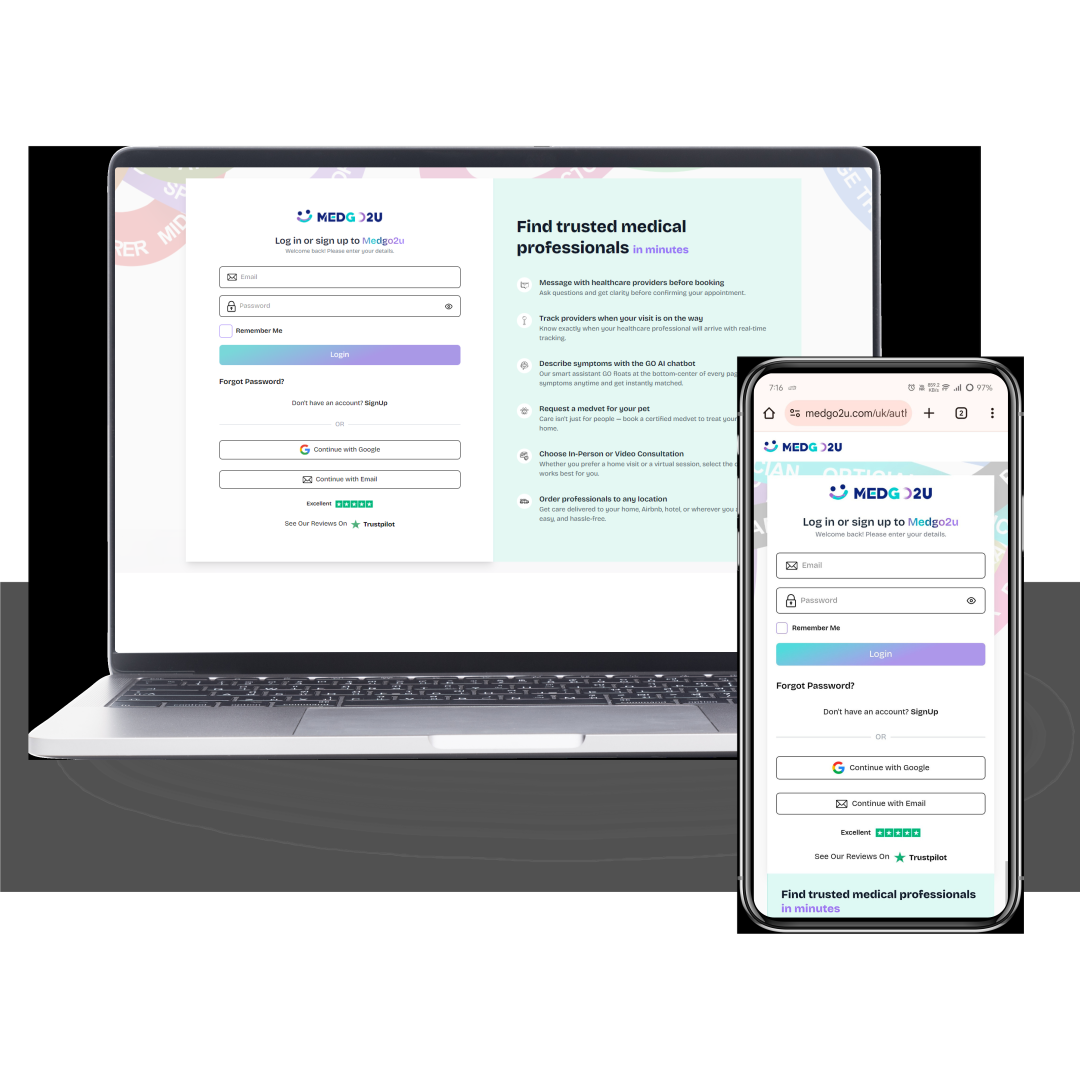
Join the movement for fair and flexible healthcare
WORK WITH MEDGO2U
Are you a qualified occupational therapist looking for flexible work across London or the UK? Join MedGo2U and start providing home visits or online consultations at your convenience.
References
- NHS. Occupational Therapy Services
- Royal College of Occupational Therapists (UK)
- NICE Guidelines – Rehabilitation and Functional Support
About the Reviewer
Jerri De Melverda is a Band 7 Occupational Therapist working for a private healthcare company. Her expertise lies in assessing home environments and recommending the right equipment to support client safety and independence. She carries out thorough home assessments, identifying hazards and selecting suitable solutions such as hoists, commodes and grab rails. Jerri focuses on creating a safe, functional living space tailored to each person's needs, helping them carry out daily activities with confidence and maximised independence.
Medical Disclaimer
This content is for educational purposes only and is not a substitute for professional medical advice. Always consult a qualified healthcare professional for diagnosis and treatment.
Last medically reviewed on: Apr 22, 2026
Follow us to hear more



Ionela Marinau
Apr 22, 2026 • 12 minutes read